
HP 17 Inch FHD Laptop
4.6Editor score
AMD Ryzen 5 7430U
17.3 Inch Full HD Display
Windows 11 Pro
Finding the right laptop for engineering students requires balancing power, portability, and price. Engineering coursework often demands heavy software like CAD tools and simulation programs. Choosing a device that handles these tasks efficiently is crucial for academic success and daily productivity throughout your studies.
We have rigorously compared ten standout laptops available this month to identify the best options for your needs. Our analysis focuses on processor speed, memory capacity, storage options, and display quality. Each model was selected based on its ability to support demanding engineering applications and long study sessions effectively.
Each pick in this list highlights specific strengths tailored to different budgets and priorities. Whether you need a high-performance machine for complex calculations or a portable option for note-taking, we cover it all. Keep in mind that prices and availability can change frequently, so verify details before making your final decision.
4.6Editor score

4.3Editor score

4.5Editor score
As an Amazon Associate we earn from qualifying purchases.
This side-by-side comparison table provides a quick overview of the ten top laptops for engineering students. It highlights key specifications like processor type, memory, storage, and display size to help you make an informed decision based on your specific academic and professional needs.


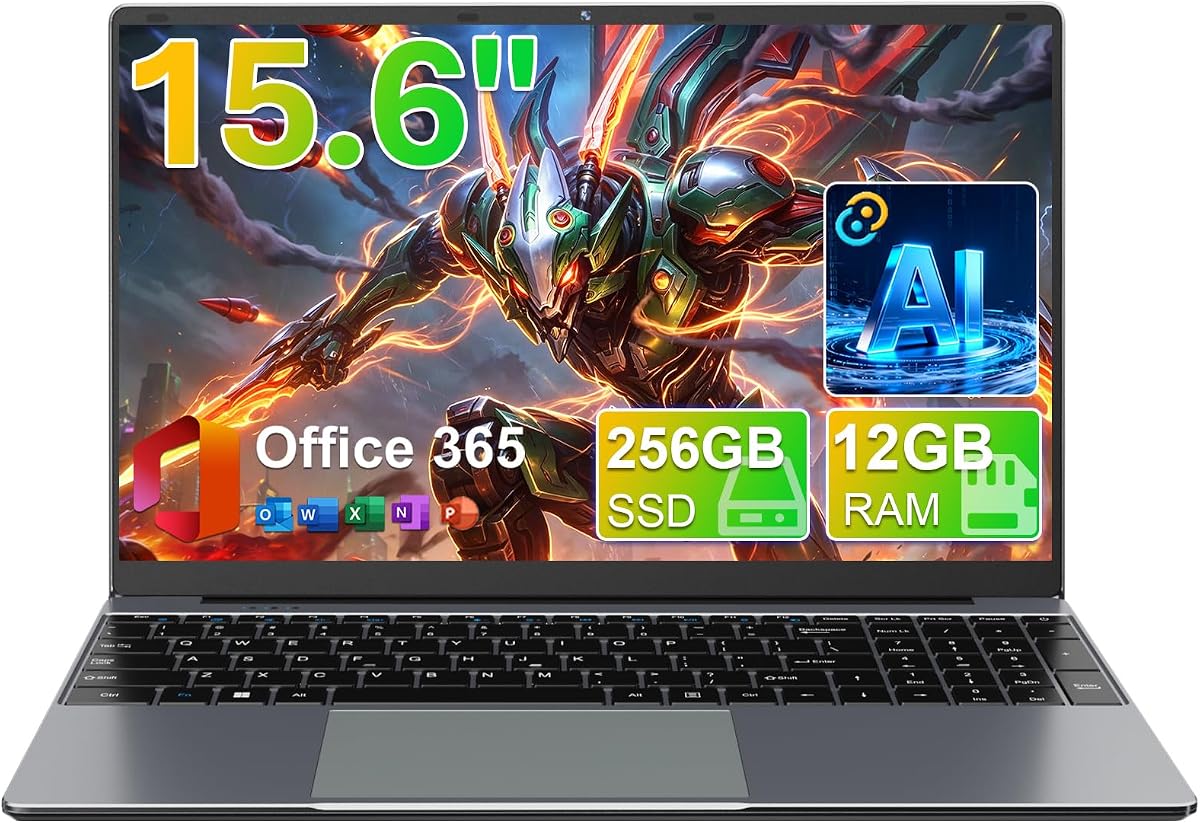


This laptop is an excellent entry-level option for engineering students who need a reliable device without breaking the bank. With a 4.5 rating, it offers solid performance for everyday tasks like note-taking and running standard office software. The 12GB of RAM is a standout feature for this price range, allowing you to keep multiple browser tabs and applications open simultaneously.
We may earn a commission when you buy through this link, at no additional cost to you.
The processor handles basic multitasking smoothly, which is crucial when attending online lectures while taking notes. The Full HD anti-glare screen ensures you can work in various lighting conditions without eye strain. Additionally, the inclusion of WiFi 6 means you stay connected at high speeds on campus networks. The port selection is generous, giving you USB-A, USB-C, and HDMI options for connecting peripherals.
While it lacks the raw power for heavy 3D rendering or complex simulations, it serves perfectly for coursework that focuses on theory and lighter applications. The integrated graphics are sufficient for video playback and basic diagram work. The battery life supports a full day of classes, reducing the need to hunt for outlets during lectures.
This device is ideal for first-year students or those on a tight budget who prioritize portability and general reliability over high-end graphics performance. It is a practical choice for students who primarily use their laptop for research, writing reports, and attending virtual classes. For more intensive engineering work, you might consider upgrading storage via the SD card slot.
The Intel Core i3 processor paired with 12GB RAM provides enough horsepower for web browsing, document editing, and streaming lectures efficiently without lag.
Weighing just 3.6 pounds and offering up to seven hours of battery life, this laptop fits easily into your backpack for a day of classes.
We may earn a commission when you buy through this link, at no additional cost to you.
The HP Stream 14 is designed for students who need significant storage capacity without spending a fortune. It stands out due to its 16GB of RAM, which is generous for this tier of laptop. This allows you to run multiple applications concurrently, which is helpful when researching papers or analyzing data in spreadsheets. The inclusion of a docking station with 1TB of storage adds immense value for storing large project files and media.
We may earn a commission when you buy through this link, at no additional cost to you.
The Intel Celeron processor provides decent responsiveness for daily tasks like browsing the web or using educational tools. While it is not designed for heavy computation, it handles standard engineering coursework requirements like document preparation and research effectively. The 14-inch HD display is compact and easy to carry around campus. It fits well in small backpacks and is convenient for use in crowded lecture halls.
One limitation is the screen resolution which is HD rather than Full HD. This might affect clarity when viewing detailed diagrams or small text in technical manuals. However, the anti-glare finish helps mitigate eye strain during long study sessions. The battery life and portability are strong points that make it a practical travel companion for students moving between classes.
This model is best suited for students who prioritize storage and RAM over high-resolution graphics. If your coursework involves a lot of file storage and multitasking rather than high-end visual processing, this laptop offers a compelling balance of features. The pre-installed Office 365 subscription also saves you the cost of purchasing productivity software immediately.
With 16GB of RAM and a 1TB docking station included, you have ample space for large datasets and the ability to multitask without slowdowns.
The included Office 365 subscription ensures you have access to Word, Excel, and PowerPoint right out of the box for all your academic needs.
We may earn a commission when you buy through this link, at no additional cost to you.
This HP laptop features the newer Intel Processor N150, which offers improved efficiency over previous entry-level chips. It is a solid choice for students who need a lightweight and energy-efficient device for daily use. The 8GB of RAM is sufficient for running standard applications and web browsers simultaneously. The standout feature here is the battery life, which can last up to eleven hours, ensuring you can go through a full day without charging.
We may earn a commission when you buy through this link, at no additional cost to you.
The 14-inch form factor is ideal for portability, making it easy to slip into a bag or carry to the library. The anti-glare screen provides comfortable viewing for reading technical articles or taking notes. Connectivity is modern with WiFi 6 support, ensuring you get fast speeds on campus networks. The inclusion of Office 365 adds value by providing essential tools for writing and presenting reports.
The primary trade-off is the limited storage capacity at 128GB UFS. You may find this space fills up quickly if you download large datasets or install heavy software. However, this is manageable for students who rely on cloud storage or external drives. The processor is efficient but not intended for intensive rendering tasks common in upper-year engineering courses.
Choose this model if you want a reliable, long-lasting battery for taking notes and attending lectures throughout the day. It is perfect for students who need a secondary device or a primary machine for light computing tasks. The modern connectivity and included productivity tools make it a convenient start for college coursework without high power demands.
With up to eleven hours of battery life, this laptop supports you through back-to-back classes and study sessions without needing to find a power outlet.
Equipped with WiFi 6 and Bluetooth, this device ensures you stay connected with fast wireless speeds and easy peripheral pairing on campus.
We may earn a commission when you buy through this link, at no additional cost to you.
The HP 2026 Essential Laptop is designed for everyday computing needs, offering a balance of modern features at a competitive price. It uses the Intel N150 processor which provides good efficiency for standard tasks. The inclusion of LPDDR5 RAM is a significant upgrade over older DDR4 models, allowing for faster data access and system responsiveness. This is beneficial for students who need their laptop to boot up and load applications quickly.
We may earn a commission when you buy through this link, at no additional cost to you.
The 14-inch HD display features an anti-glare coating which helps reduce eye strain during long hours of study. The micro-edge design maximizes the screen area within a compact body, enhancing the viewing experience. Battery life is impressive with up to eleven hours of video playback, making it suitable for travel between classes. The build quality feels sturdy enough for daily transport in a backpack.
However, 4GB of RAM might limit your ability to run multiple heavy applications simultaneously. For basic note-taking and browsing it is adequate, but more complex engineering software could struggle. Storage is also limited at 128GB, so external drives may be necessary for large projects. Despite these limitations, it remains a solid choice for students focused on lightweight tasks.
This laptop is best for students who need a portable device for web research, email, and document editing. If your engineering program does not require intensive local processing power, this model serves as a reliable and efficient tool. The modern connectivity and good battery life ensure you stay productive wherever you are on campus.
The LPDDR5-4800 RAM provides faster speeds and improved efficiency compared to standard DDR4 memory, enhancing overall system responsiveness.
The anti-glare coating and micro-edge bezel design create a comfortable viewing environment that reduces distractions and eye strain.
We may earn a commission when you buy through this link, at no additional cost to you.
This laptop stands out with its 15.6-inch Full HD IPS display, which offers vibrant colors and wide viewing angles. It is a great choice for students who need clear visuals for reading textbooks or analyzing charts. The 12GB of RAM ensures smooth multitasking, allowing you to run research tools and browsers efficiently. The 180-degree hinge design allows you to lay the screen flat for easier sharing during group projects.
We may earn a commission when you buy through this link, at no additional cost to you.
The Celeron J4105 processor provides reliable performance for everyday academic tasks. It handles word processing and web browsing without issues. The 7000mAh battery supports a good duration of use between charges. Connectivity includes USB 3.2 and Type-C ports which are useful for connecting modern peripherals. The narrow bezels make the screen feel larger and more immersive.
While the processor is not the fastest on the market, it is sufficient for most undergraduate coursework that does not involve heavy simulations. The AI Assistant included in the package can help with writing and organization tasks. This feature might appeal to students looking for extra digital support. The larger screen size is beneficial for productivity but adds to the weight slightly.
Opt for this laptop if you prioritize a high-quality display and comfortable typing area. It is well-suited for students who spend a lot of time reviewing documents and media. The combination of RAM, storage, and screen quality makes it a strong contender in the budget-friendly segment for engineering students.
The FHD IPS display delivers rich colors and clear details which are essential for reviewing technical drawings and digital content effectively.
The 180-degree hinge allows for flat-screen viewing which makes it easier to share information with peers during collaborative study sessions.
We may earn a commission when you buy through this link, at no additional cost to you.
This HP laptop brings together modern AI features with everyday reliability. The Copilot AI integration provides helpful assistance for drafting emails and organizing research which can save time during busy study periods. It is lightweight at 3.24 pounds, making it very easy to carry around campus. The LPDDR5 memory ensures the system reacts quickly to inputs despite having 4GB of RAM.
We may earn a commission when you buy through this link, at no additional cost to you.
The 14-inch HD display is sharp enough for text and standard media consumption. The anti-glare coating is particularly useful in bright lecture halls. Connectivity options include HDMI and USB-C which support external monitors for presentations. The dual speakers provide clear audio for video conferencing which is essential for remote classes. Battery life supports up to eleven hours of video playback.
The main limitation is the storage and memory which might feel tight for large datasets. However, the lightweight design and included Office 365 subscription make it a convenient package. The AI features help streamline productivity tasks. It is a well-rounded option for students who need a reliable tool for communication and document management.
Consider this laptop if you want a lightweight device with helpful AI tools to assist your workflow. It is excellent for general coursework where portability and ease of use are key. The battery life and connectivity ensure you can work anywhere on campus without constant interruption.
Integrated Copilot AI helps with content creation and workflow management giving you an extra assist in managing your academic workload.
Weighing just 3.24 pounds this laptop slips effortlessly into any backpack ensuring you can carry it to all your classes without strain.
We may earn a commission when you buy through this link, at no additional cost to you.
This HP model boasts a perfect 5.0 rating indicating high user satisfaction. It offers a generous 640GB storage solution which includes a docking set for extra space. This is a significant advantage for students with large files or extensive media libraries. The Intel N200 processor provides stable performance for daily tasks and web browsing. It also includes a numeric keypad which is helpful for data entry tasks.
We may earn a commission when you buy through this link, at no additional cost to you.
The privacy shutter on the camera is a thoughtful feature for students concerned about security during video calls. The 15.6-inch display provides a larger workspace compared to 14-inch models. The battery life is supported by an efficient processor design. Windows 11 Home is pre-installed providing a modern and secure operating environment. The build quality seems reliable for regular campus use.
While the screen is HD rather than Full HD the larger size still offers good utility for multitasking. The processor is adequate for schoolwork but not for heavy processing. However the storage capacity makes up for some of these limitations. The overall package feels well-balanced for general student needs.
Choose this laptop if you need extra storage and a reliable machine for everyday academic tasks. It is particularly useful for business-oriented engineering coursework where data entry and organization are important. The included Office 365 and privacy features add value to the purchase.
With a total of 640GB storage including docking set you have plenty of room for project files, software installations, and media without needing external drives immediately.
A perfect 5.0 rating from users suggests this model delivers consistent reliability and quality that meets the expectations of students and professionals.
We may earn a commission when you buy through this link, at no additional cost to you.
This variant of the HP 2026 Student Business laptop includes an external portable storage option adding value to the base 128GB internal drive. This setup allows students to keep large datasets separate from the system drive. The Intel N150 processor ensures efficient performance for daily tasks. The LPDDR5 RAM keeps the system responsive for common applications. It is a lightweight device ideal for students who move frequently between locations.
We may earn a commission when you buy through this link, at no additional cost to you.
The Copilot AI integration supports writing and research tasks which can streamline report generation. The 14-inch HD screen is suitable for document work but might lack detail for complex graphics. Connectivity includes HDMI and USB-C for versatile peripheral connections. The battery life supports all-day productivity reducing the need to carry chargers everywhere. The build quality is durable enough for daily commuting.
The external storage is a key differentiator here making it better for file management than other similar models. However the base memory remains limited for heavy multitasking. It is a practical choice for students who rely on cloud storage and value AI tools. The battery life and portability make it convenient for on-the-go use.
If you need a reliable and portable laptop with storage flexibility and AI assistance this is a strong candidate. It suits students who focus on research and documentation rather than heavy local processing. The included Office 365 and modern features make it a complete package.
An additional 500GB external drive is included providing ample space for large engineering project files and media without cluttering the internal SSD.
Copilot AI assists with content creation and workflow management helping you draft reports and organize research efficiently.
We may earn a commission when you buy through this link, at no additional cost to you.
This Dell laptop earns the Editor's Choice badge for its balance of performance and support features. The Intel Core i5 1334U processor provides significantly better power than entry-level chips found in other options. This makes it capable of handling more demanding engineering applications and multitasking. The Full HD display ensures clear visuals for technical work. ComfortView technology reduces blue light for extended comfort during long study sessions.
We may earn a commission when you buy through this link, at no additional cost to you.
The ergonomic hinge design lifts the keyboard for a better typing angle which reduces wrist strain. This is a thoughtful feature for students typing long reports. The 1 Year Onsite Service offers peace of mind ensuring help is available if hardware issues arise. Battery efficiency is optimized with Express Charge support to quickly power up before classes. The build quality is solid and suitable for daily campus use.
While it is more expensive than other options the performance and support justify the cost for serious students. It handles complex calculations better than entry-level models. The screen is sharp enough for reading schematics or small diagrams. The overall user experience is polished and professional fitting a professional academic environment.
Invest in this laptop if you need a more powerful machine that can grow with your coursework. It is ideal for students who plan to run local simulations or heavy software. The service warranty and comfort features make it a reliable long-term investment.
The Intel Core i5 1334U provides a noticeable boost in processing power allowing you to run complex engineering software and multitask with ease.
ComfortView technology reduces harmful blue light while the onsite service ensures you receive professional help quickly if any issues arise.
We may earn a commission when you buy through this link, at no additional cost to you.
This HP 17-inch laptop is a premium choice for students who prioritize screen real estate and raw performance. The AMD Ryzen 5 7430U processor offers strong multi-core performance suitable for engineering tasks. It comes with 16GB of RAM and a massive 1TB SSD which eliminates storage concerns entirely. Windows 11 Pro adds professional-grade security and management features. The display is large and sharp providing a desktop-like experience.
We may earn a commission when you buy through this link, at no additional cost to you.
The 17.3-inch Full HD display is excellent for splitting windows and viewing complex diagrams. The IPS technology ensures good viewing angles for presentations. Connectivity includes Wi-Fi 6 and multiple ports for external monitors. The Fast Charge technology restores battery quickly so you can get back to work. The numeric keypad is useful for engineering calculations. It is a powerful workstation for mobile use.
The main drawback is the size and weight which makes it less portable than 14-inch models. It is best used as a primary device in a dorm or fixed workspace. However the performance and storage are unmatched in this list. It is perfect for seniors or those needing to run heavy software locally. The Pro version of Windows is a significant value add.
Choose this laptop if you need a powerful machine for advanced coursework and large files. It is ideal for students who prefer a large screen for productivity and can accept the extra bulk. The combination of processor speed memory and storage makes it a top performer for engineering tasks.
The 17.3-inch Full HD IPS display offers expansive screen real estate making it easier to manage multiple windows and complex technical diagrams.
Powered by the AMD Ryzen 5 processor with 12 threads this laptop handles multitasking and intensive workloads efficiently without bottlenecks.
We may earn a commission when you buy through this link, at no additional cost to you.
Selecting the right laptop involves balancing performance needs with budget and portability requirements.
The processor is the engine of your laptop and determines how well it handles calculations. For engineering students, look for at least an Intel Core i5 or AMD Ryzen 5 processor to run simulation software and CAD tools effectively. Entry-level chips may work for basic tasks but struggle with heavier loads.
Prioritize a processor with multiple cores and threads to ensure smooth multitasking during lectures and research sessions.
RAM allows your laptop to run multiple applications at once. Engineering software often requires significant memory to load projects and data sets. Aim for at least 16GB of RAM if your budget allows, though 8GB is a minimum for lighter coursework.
More RAM ensures your system stays responsive when you have multiple tabs and applications open simultaneously.
Engineering projects often involve large files such as 3D models and simulation data. A solid-state drive (SSD) is essential for fast boot times and file access. Look for at least 512GB of storage to accommodate your files without relying heavily on external drives.
A large SSD prevents your system from slowing down due to storage limitations during peak usage times.
You will spend hours looking at your screen for reading and designing. A Full HD (1920×1080) resolution is the standard for clarity. Anti-glare coatings are crucial for reducing eye strain during long study sessions in various lighting conditions.
Choose a display with good color accuracy if you work with visual data or detailed diagrams.
Battery life is critical for students who move between classes and study spots. Aim for a laptop that offers at least eight to ten hours of battery life to last through a full day without needing a charger.
Long battery life ensures you remain productive even when power outlets are scarce on campus.
Weight and size matter if you carry your laptop daily. A 14-inch model is generally lighter and easier to carry than a 17-inch model. Consider your commute and storage space when choosing the size.
A lighter laptop reduces physical strain over time and fits more easily into standard backpacks.
Ensure the laptop has enough ports for your needs such as USB-A, USB-C, and HDMI. These are necessary for connecting monitors, projectors, and peripherals during presentations.
Good connectivity options prevent the need to carry multiple dongles or adapters to campus.
A reliable warranty and support plan can save you from costly repairs. Onsite service is a valuable feature that brings technical help to your location.
Choose a laptop with a solid warranty to protect your investment throughout your degree program.
To maximize the lifespan of your laptop, keep it clean and free of dust. Use a soft microfiber cloth to wipe the screen and keyboard regularly. Avoid eating or drinking near the laptop to prevent liquid damage or crumbs falling into the vents.
Manage your battery health by avoiding extreme temperatures and not leaving it plugged in constantly. Many modern laptops have battery health modes that you can enable in settings to limit charging to 80% to extend battery longevity.
Backup your important engineering files frequently to an external drive or cloud storage. This protects your work in case of hardware failure or loss. Use tools like OneDrive or Google Drive to ensure your data is safe even if the device is damaged.
For most modern engineering software like MATLAB or AutoCAD, 16GB of RAM is recommended. However, 8GB can suffice for lighter coursework and basic simulations. If your budget allows, prioritize more RAM to ensure smooth operation as your coursework becomes more complex.
A dedicated graphics card is beneficial for 3D CAD modeling and rendering. However, integrated graphics can handle basic drawing and 2D work. If you plan on heavy rendering, look for laptops with entry-level dedicated GPUs like the NVIDIA RTX series.
Windows 11 Pro offers enhanced security and remote management features which are useful for business and engineering environments. However, Windows 11 Home is sufficient for most student tasks. Choose Pro if you need specific enterprise features for your coursework.
Yes, budget laptops with sufficient RAM and a decent processor can run 2D CAD software. For 3D modeling, look for a balance of CPU performance and memory rather than just high-end graphics. Many entry-level laptops can handle introductory CAD tasks effectively.
Screen size impacts productivity. A 15.6 or 17-inch screen offers more space to view multiple windows and diagrams. However, a 14-inch screen is more portable. Choose based on whether you prioritize mobility or viewing space for complex tasks.
You should expect at least eight to ten hours of battery life for daily use without a charger. This ensures you can attend lectures and study sessions without worrying about finding a power outlet. Look for laptops with efficient processors to maximize battery performance.
This guide reviewed ten excellent laptops that cater to different needs and budgets. From the budget-friendly options to the powerful premium models, each device offers unique strengths to support your engineering journey. Choosing the right one depends on your specific coursework requirements and financial constraints.
Prioritize performance and memory if you plan on running complex simulations. If portability is key for your daily commute, consider the lighter models with strong battery life. Balancing these factors will ensure you have a device that supports your academic and professional growth effectively.
Remember that technology evolves quickly and prices may change. Always verify current specifications and pricing before purchasing to ensure you get the best deal. Investing in a reliable tool now will pay dividends throughout your time in school.