
Verifone VX520
3.5Editor score
Contactless NFC support
Dial and ethernet
EMV compliance
This guide compares the top card readers for vending machines to help operators choose secure payment solutions with telemetry and universal compatibility.
Modern vending operators need reliable card readers for vending machines to accept cashless payments securely. These devices handle EMV chips, contactless wallets, and magnetic stripes while connecting to management systems.
We evaluated ten leading models based on connectivity, security certifications, and compatibility with MDB protocols. Our comparison highlights units that offer real-time telemetry and durable construction for unattended environments.
Each pick shows key features and ratings to help you find the right reader for your needs. Please note that prices change frequently, so verify current costs before purchasing any device.
3.5Editor score
3.8Editor score

The following table presents a side-by-side comparison of all ten card readers evaluated in this guide. Each entry includes key specifications and direct links to product pages for detailed reviews.


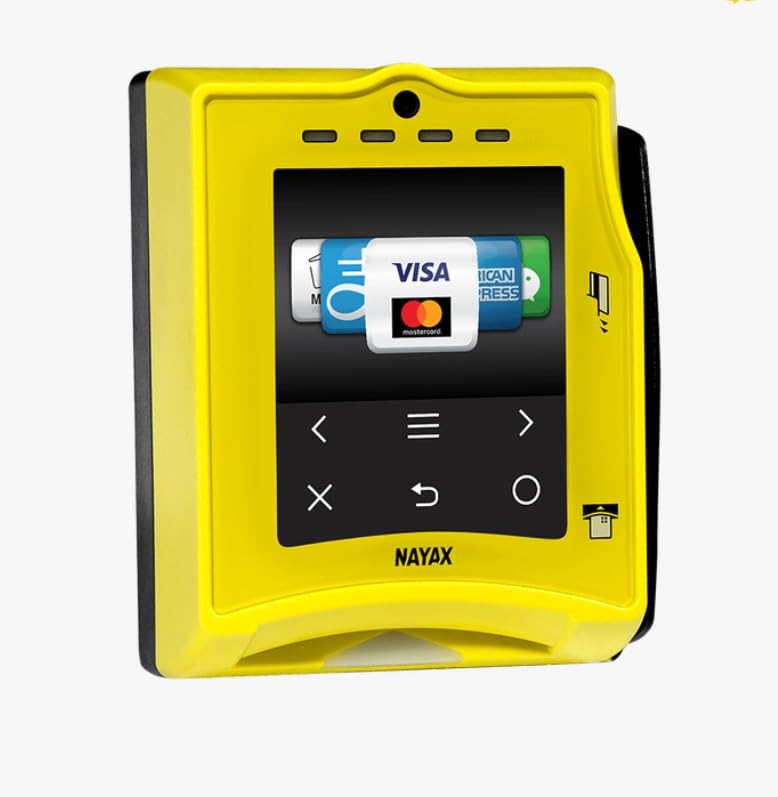
The VPOS Touch stands out as a top card reader for vending machines by offering a complete cashless solution. It holds a strong reputation among operators for its seamless connectivity and robust security features.
We may earn a commission when you buy through this link, at no additional cost to you.
This device accepts all major payment forms including EMV chip cards and NFC mobile wallets like Apple Pay. It includes a high-gain 4G LTE antenna for instant connection without needing separate Wi-Fi setup.
While the activation process requires patience and a subscription, the real-time telemetry suite provides valuable insights into inventory and sales data. This trade-off ensures your machine stays connected and profitable.
If you prioritize secure transactions and remote management capabilities, the VPOS Touch is an excellent choice. It integrates well with various machines using MDB or Pulse protocols.
Operators can monitor cash levels and machine status remotely using the Nayax management suite. Instant mobile alerts help prevent downtime and optimize routes efficiently.
The reader is fully PCI DSS compliant with EMV Level 1 and 2 certifications. This ensures the highest level of security for both operators and customers during transactions.
We may earn a commission when you buy through this link, at no additional cost to you.
This model enhances the standard VPOS Touch with a customizable 2.4 color LCD screen and advanced marketing tools. It is designed for high-traffic environments where user engagement matters.
We may earn a commission when you buy through this link, at no additional cost to you.
The device features Dragontrail glass and IP55 rating for durability against vandalism and spills. It supports loyalty programs and punch cards to encourage repeat business from customers.
Installation is straightforward with plug and play connectivity and remote software updates. While the price is higher, the added marketing capabilities can increase revenue over time.
Operators looking to maximize customer interaction and retention should consider this premium option. It bridges the gap between payment processing and customer relationship management.
The built-in marketing tools allow for discounts and loyalty programs directly on the reader. This turns a simple payment terminal into a customer engagement platform.
Shock detection and Dragontrail glass protect the device from physical damage in unattended areas. The IP55 rating ensures resistance to dust and water intrusion.
We may earn a commission when you buy through this link, at no additional cost to you.
This generic option provides a basic cashless solution for vending operators seeking simplicity. It follows standard protocols but requires specific activation steps before it can process payments.
We may earn a commission when you buy through this link, at no additional cost to you.
Inside the box, you will find a yellow instruction sheet detailing the activation process. This step ensures device registration and secure connectivity to the payment network.
While the activation wait time can delay operations, it guarantees a secure and registered device. Operators should plan ahead to allow for the ten business day processing period.
If you are comfortable with standard setup procedures, this unit offers reliable performance. It serves as a straightforward alternative to branded solutions.
The activation involves submitting device details via the instruction sheet. This step takes up to ten business days to complete fully.
We may earn a commission when you buy through this link, at no additional cost to you.
The Symcode reader is designed primarily for membership and check-in systems rather than full payment processing. It supports various card types including magnetic stripes and contactless chips.
We may earn a commission when you buy through this link, at no additional cost to you.
This device operates in active or passive modes, allowing for keyboard emulation or software reading. It is ideal for kiosks where simple identification is required instead of financial transactions.
The read-only limitation prevents it from being used as a full EMV payment terminal. Users must check compatibility with their specific software before purchase.
For non-financial applications like attendance tracking or access control, this tool is functional. It offers versatility but lacks the security depth of dedicated payment devices.
This reader is widely used for membership systems and check-in processes. It works well with Kiosk machines for reading card data.
We may earn a commission when you buy through this link, at no additional cost to you.
The Verifone VX520 is a legacy model that still serves operators needing reliable payment processing. It offers dial and ethernet connectivity along with modern contactless capabilities.
We may earn a commission when you buy through this link, at no additional cost to you.
Despite being an older unit, it supports EMV compliance and NFC payments like Apple Pay. This makes it a budget-friendly option for upgrading from magnetic stripe only systems.
The design is functional rather than sleek, focusing on utility over aesthetics. It may lack the advanced telemetry found in newer dedicated vending readers.
Operators looking to minimize upfront costs while accepting chip and mobile payments should consider this model. It provides essential features at a lower price point.
The device supports dial, ethernet, and smart card inputs. This flexibility helps in locations with varying infrastructure needs.
We may earn a commission when you buy through this link, at no additional cost to you.
This unit is designed for systems requiring card reading and writing capabilities for access control. It supports Mifare RFID and PSAM cards alongside standard magnetic stripes.
We may earn a commission when you buy through this link, at no additional cost to you.
The package includes software and testing cards to facilitate setup and development. Users must utilize the SDK for deeper integration into custom applications.
It is not intended for secure financial transactions but rather for identification and access. This distinction is important for operators evaluating its suitability for vending.
If your project involves non-monetary card transactions or access verification, this reader offers the necessary tools. It is a robust device for technical integration tasks.
The SDK and software CD provided enable deep development integration. Users can build custom solutions using the APDU command support.
We may earn a commission when you buy through this link, at no additional cost to you.
The E-seek M-260 is specialized for reading government-issued IDs with magnetic stripes or barcodes. It is an ideal solution for environments requiring age verification or identification.
We may earn a commission when you buy through this link, at no additional cost to you.
It features a bottom interface connector making it suitable for kiosk applications. The included smart cable ensures easy connection to a host device via USB or RS-232.
While it handles identification well, it does not process credit card payments directly. This limits its use in vending to age-restricted products where ID check is separate.
For vending operations involving age verification, this device provides reliable scanning capabilities. It complements payment readers by handling identity checks securely.
The bottom mounted interface connector makes it ideal for kiosk environments. It ensures a clean setup with less cable clutter on the desk surface.
We may earn a commission when you buy through this link, at no additional cost to you.
The VP3350 is a compact terminal that supports contactless payments and EMV chip cards. It is designed for businesses needing a mobile-friendly payment solution with specific account requirements.
We may earn a commission when you buy through this link, at no additional cost to you.
Before shipment, a new merchant account with SwyftPAY must be established. This requirement ensures the device is linked to a secure payment processor immediately.
The device is surcharge compatible and P2PE compliant, offering flexibility in fee management. However, the account setup adds a step to the purchasing process.
If you need a portable reader with modern security standards and are ready for account setup, this unit fits the bill. It is less integrated into specific vending protocols.
Shipment is contingent on a new merchant account with SwyftPAY. This ensures the device is pre-configured for secure transactions from the start.
We may earn a commission when you buy through this link, at no additional cost to you.
The MTMS15 offers multi-factor authentication capabilities combining cards with PINs. It is an open architecture solution suitable for secure environments requiring layered access.
We may earn a commission when you buy through this link, at no additional cost to you.
With networked real-time capabilities, it can report status and events to central systems. This connectivity supports robust management and security protocols.
Specific details on vending integration are limited in available descriptions. Operators should verify MDB compatibility before purchasing for unattended machine use.
If multi-factor security is a priority, this reader provides advanced authentication options. It is better suited for secure access control than simple payment tasks.
The reader supports card plus PIN multi-factor authentication. This adds a layer of security beyond simple card swipes.
We may earn a commission when you buy through this link, at no additional cost to you.
This portable encoder reads and writes three tracks on magnetic cards. It connects via Bluetooth or USB to mobile devices for versatile operation.
We may earn a commission when you buy through this link, at no additional cost to you.
Support for multiple operating systems allows use with Windows, MacOS, iOS, and Android. Free software is provided to manage card data effectively.
The writing capability is useful for issuing membership cards but not for secure payment processing. This distinction is important when selecting for vending payments.
If you need a mobile device to manage card memberships or loyalty data, this tool is useful. It should not replace secure EMV readers for cashless transactions.
The Bluetooth enabled design allows for wireless connections to mobile devices. This makes it suitable for field operations or mobile sales.
We may earn a commission when you buy through this link, at no additional cost to you.
Selecting the right card reader involves evaluating connectivity, security, and compatibility with your specific machine type.
Vending machines often operate in remote locations where Wi-Fi is unavailable. Look for readers with built-in cellular modems or strong Ethernet ports to ensure consistent communication with management systems.
Prioritize units with plug-and-play connectivity to reduce setup time and technical issues during installation.
Modern customers expect to use mobile wallets alongside traditional cards. Ensure the reader supports EMV chip, NFC contactless, and magnetic stripes to capture all potential sales.
Check if the device supports specific wallets like Apple Pay and Google Pay to meet consumer expectations effectively.
Security is paramount for financial transactions in unattended environments. Verify that the reader holds PCI DSS compliance and EMV certifications to protect sensitive data.
Secure devices reduce liability risks and ensure safe transactions for both operators and customers.
The reader must communicate correctly with your vending machine controller. Most machines use MDB or Pulse protocols so confirm compatibility before purchasing.
Incorrect protocol support can lead to installation failures and operational downtime.
Remote monitoring allows operators to track inventory and sales data efficiently. Select devices with integrated telemetry suites that provide real-time alerts to your mobile phone.
Data visibility helps optimize routes and prevent stock-outs or cash jams.
Vending machines face constant traffic and potential vandalism. Look for units with reinforced glass and high IP ratings to withstand harsh conditions.
Durable hardware minimizes maintenance costs and extends the lifespan of your investment.
A complex installation process can delay revenue generation. Choose models with clear setup guides and remote update capabilities to simplify deployment.
Quick integration ensures your machine starts accepting payments faster.
Install the reader securely inside the machine ensuring cables are properly routed and secured. Follow the specific instructions provided with the device for optimal placement.
Keep the touchscreen and card slot clean to prevent dirt from interfering with scans. Use a soft dry cloth to wipe surfaces regularly.
Monitor system alerts to address connection issues promptly. Regular maintenance checks ensure the device remains operational and secure.
Most dedicated vending readers support MDB or Pulse protocols common in the industry. Always check your machine specifications before purchasing.
Activation typically involves submitting registration forms and waiting for network verification. This step ensures secure connectivity.
Yes, these devices are designed to replace cash hoppers entirely. They handle all digital transactions seamlessly.
Many models require a monthly subscription for connectivity and management services. Compare fees before selecting a provider.
Most units are powered by the machine's mains so batteries are not needed. Some backup options exist for specific models.
Offline mode allows transactions to queue and process later. This prevents lost sales during connectivity issues.
Yes, they meet strict security standards like PCI DSS and EMV compliance. This protects against fraud effectively.
The top picks offer a range of solutions for operators prioritizing security and connectivity. The VPOS Touch models stand out for their robust telemetry and universal payment support.
Prioritize devices that fit your specific protocol and durability needs. Security certifications and remote management capabilities are key factors for success.
Prices change frequently so check current listings before purchasing. Verify all requirements to ensure the best return on your investment.