
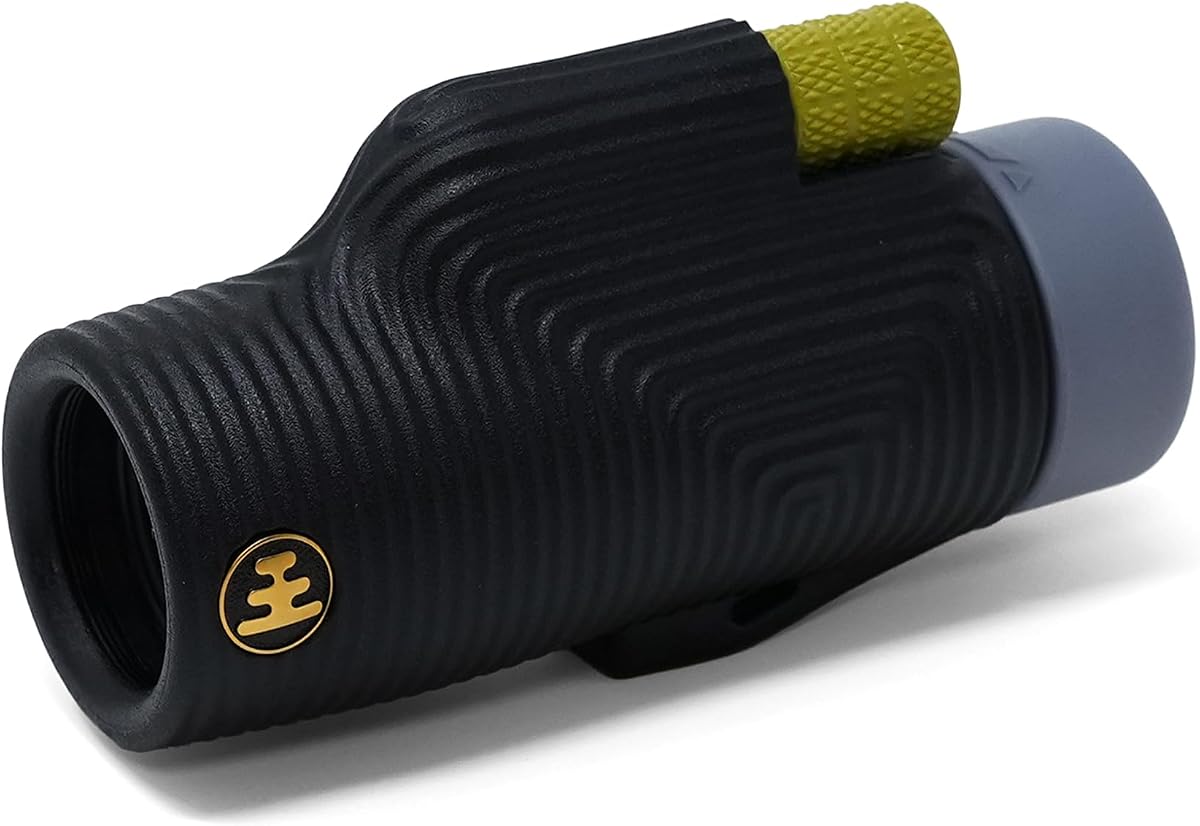
Nocs Provisions Zoom Tube 8×32 Monocular
4.6Editor score
Rugged Wave Grip Design
Multi-Stop Twist Eyecup
Tripod Adapter Included
Discover the top birding monoculars of October 2026. This guide compares optics, portability, and durability to help you choose the best device for wildlife
Choosing the right birding monocular can transform your outdoor experience by offering powerful magnification in a compact form. Whether you are tracking migratory patterns or observing backyard activity, a quality device provides clarity and convenience that binoculars sometimes lack.
We evaluated ten leading models based on optical clarity, build durability, ease of focus, and overall portability. Our analysis focuses on real-world performance factors that matter most to enthusiasts who spend hours in the field chasing the perfect sighting.
Each pick below highlights specific strengths and trade-offs to help you match a device to your unique needs. Please note that product availability and pricing fluctuate regularly, so verify current details before making your final purchasing decision online.
4.6Editor score
4.6Editor score

4.0Editor score
This side-by-side comparison highlights the key specifications and unique selling points of each model. We analyze optical power, build quality, and special features to help you understand where each device stands in the current market landscape.
This entry-level monocular offers a straightforward way to start birding without a large investment. It provides basic magnification that helps bring distant birds into clearer view for casual observation in parks.
We may earn a commission when you buy through this link, at no additional cost to you.
The optical system is simple but functional for daytime use. Its lightweight body makes it easy to keep in a pocket or backpack, ensuring you have a tool ready whenever you spot movement.
While it lacks advanced coatings, the clarity is acceptable for general use. The trade-off is reduced brightness in shaded areas, but this is expected at this price range and level of technology.
It is an ideal choice for beginners or children learning to identify species. We recommend it for short outings where cost and portability are the primary concerns for the user.
This model allows new enthusiasts to try monoculars without spending a fortune on high-end gear immediately.
Its small size ensures it fits easily into small pockets, making it always accessible during walks.
We may earn a commission when you buy through this link, at no additional cost to you.
This model focuses on simplicity with a fixed focus design that eliminates the need for twisting or adjusting. It is excellent for general observation where speed is more important than precise optical calibration.
We may earn a commission when you buy through this link, at no additional cost to you.
The build is durable enough to withstand drops and bumps during outdoor activities. The plastic construction keeps the weight down, making it a good option for family trips or school outings.
However, the fixed focus means it may not be sharp at very close or very long distances. This limitation is acceptable for casual users who do not need professional-grade optical precision for every shot.
It works well for quick checks of birds in trees or open fields. We suggest it for those who want a no-fuss device that requires minimal setup before viewing wildlife in nature.
The lack of adjustment knobs makes this unit very fast to deploy when a bird appears suddenly.
Its rugged plastic body handles rough handling well, making it safe for young children to hold.
We may earn a commission when you buy through this link, at no additional cost to you.
This mid-range option improves on basic models with better ergonomics and optical clarity. The shape of the body fits naturally in the hand, reducing fatigue during longer sessions of observing bird behavior in habitats.
We may earn a commission when you buy through this link, at no additional cost to you.
It features a coating that offers some protection against moisture, making it suitable for light rain. The focus mechanism allows for better sharpness across different distances compared to fixed-focus alternatives in the same class.
While it is not fully waterproof, the resistance is enough for typical outdoor use. The slight weight increase is offset by the improved stability and comfort you get while holding it up for extended periods.
It is a solid choice for hobbyists who want better performance without a huge price jump. We recommend it for users who spend regular time in parks and need reliable viewing power.
The contoured body reduces hand strain, allowing for longer observation sessions without cramping.
Better lens quality provides sharper images, helping you see details like feather patterns and colors.
We may earn a commission when you buy through this link, at no additional cost to you.
This unit prioritizes image clarity with high definition optics that reveal fine details on feathers. The rubber armor provides a secure grip and protects the internal components from accidental impacts during use in the field.
We may earn a commission when you buy through this link, at no additional cost to you.
Its close focus capability allows you to study birds that are relatively near to your position. This is particularly useful for examining specific markings or behaviors that require a tighter view than standard monoculars offer.
The multi-layer coating reduces glare and improves light transmission for better contrast. While it adds a bit of weight, the stability and clarity it provides make it worth the extra load for serious observers.
It is suitable for enthusiasts who want professional quality at an accessible price point. We suggest it for those who value sharp detail and durability in their daily birding gear.
The high definition lens ensures that edges are crisp, helping you identify species quickly.
Rubber armor prevents slips and protects the device from drops on rocky terrain or pavement.
We may earn a commission when you buy through this link, at no additional cost to you.
This model stands out for its variable zoom capability, allowing you to adjust magnification based on the distance of your subject. It is excellent for tracking birds that move around in open fields or across water surfaces.
We may earn a commission when you buy through this link, at no additional cost to you.
The included tripod mount lets you stabilize the view for long sessions or detailed photography. This feature is rare in smaller monoculars and adds significant value for users who want steady high magnification.
While zooming can slightly reduce brightness, the flexibility it offers is invaluable. The wide field of view at lower settings helps you locate subjects quickly before zooming in for a closer look.
It is ideal for users who need versatility for different scenarios. We recommend it for birders who want one device that can handle both broad scanning and tight detail work.
The ability to change magnification levels allows you to adapt to changing distances without switching gear.
Mounting on a tripod eliminates hand shake, providing a stable view for extended observation periods.
We may earn a commission when you buy through this link, at no additional cost to you.
Designed for travel, this monocular folds down to a very small size that fits in any backpack. The standard 10x magnification offers a reliable level of zoom that works well for most birding situations you encounter.
We may earn a commission when you buy through this link, at no additional cost to you.
It comes with a basic carrying case that keeps it protected when not in use. The twist focus mechanism is intuitive and quick to operate, ensuring you do not miss a fleeting moment in the canopy.
The image quality is consistent with other models in this class, providing clear views for identification. While it does not offer extreme features, its simplicity and portability make it a great backup or secondary device.
It is a smart choice for tourists or hikers who need optics without bulk. We suggest it for those who prioritize easy storage and light weight above all other features.
Its small dimensions allow it to slip into a jacket pocket, keeping it ready at all times.
The 10x magnification is a standard ratio that balances detail with stability for handheld use.
We may earn a commission when you buy through this link, at no additional cost to you.
This device features a wider field of view which helps you spot birds quickly across large open spaces. The high contrast optics ensure that images stand out clearly against backgrounds like sky or foliage.
We may earn a commission when you buy through this link, at no additional cost to you.
The shell is built to be durable, resisting scratches and minor impacts. Coated lenses help to reduce glare and improve light transmission, providing a brighter image even in challenging lighting conditions.
While wider views can sometimes lead to edge distortion, the central view remains sharp. This is an acceptable trade-off for users who value quick scanning capabilities over pinpoint precision at the edges.
It is excellent for open terrain birding where speed is key. We recommend it for observers who spend most of their time looking for movement in wide landscapes rather than dense woods.
A broader view helps you track moving birds more easily without losing them from sight quickly.
Better contrast makes it easier to distinguish dark birds against bright sky or light backgrounds.
We may earn a commission when you buy through this link, at no additional cost to you.
This model retains a classic design that is familiar to many users who prefer traditional optics. The adjustable eyecup allows for comfortable viewing whether you wear glasses or not during your outdoor sessions.
We may earn a commission when you buy through this link, at no additional cost to you.
The use of standard optical glass ensures a reliable image without complex modern coatings that might need special care. It is a straightforward tool that performs its basic function well without unnecessary complications.
It may lack some of the modern high-contrast coatings found in newer devices, but it offers good clarity for the price. The operation is intuitive, making it easy for anyone to pick up and use immediately.
It is a great choice for those who prefer simple, timeless tools. We suggest it for users who do not need the latest features and want a dependable instrument for daily observation.
The traditional look and feel provide a sense of familiarity and reliability for seasoned birders.
This feature ensures a comfortable fit for both glasses wearers and those without eyewear in use.
We may earn a commission when you buy through this link, at no additional cost to you.
This model stands out as the top choice for its exceptional balance of optics and portability. The fully multi-coated optics deliver bright, crisp images that make identifying species easier even in lower light conditions.
We may earn a commission when you buy through this link, at no additional cost to you.
Weighing only 9.5 ounces, it is incredibly light for a device with such high-quality optics. The Swiss-designed Bak4p prism ensures minimal light loss, providing a bright view that rivals much heavier binoculars.
The water-resistant rating allows you to use it in light rain or fog without worry. While not fully waterproof, this level of protection is sufficient for most outdoor environments you will encounter.
It is perfect for backpackers and birders who need high performance without the weight. We recommend it as the best all-around option for anyone serious about quality viewing in the field.
The fully multi-coated lenses reduce glare and maximize light, ensuring a bright and clear image.
At just 9.5 ounces, it reduces arm fatigue, allowing for longer viewing sessions comfortably.
We may earn a commission when you buy through this link, at no additional cost to you.
This premium variant offers extra features that enhance usability and protection in the field. The patented rugged wave grip design ensures a secure hold even in wet conditions, preventing slips that could ruin the view.
We may earn a commission when you buy through this link, at no additional cost to you.
It includes a multi-stop twist eyecup that allows for three distinct positions. This makes it highly adaptable for different users, ensuring a comfortable fit whether you wear glasses or view with your bare eyes.
The built-in tripod adapter is a significant advantage for steady viewing. It allows you to mount the unit for long observation sessions or photography, adding versatility that cheaper models typically lack.
It is ideal for serious enthusiasts who want top-notch durability and support. We recommend it for those who value premium features and lifetime warranty assurance for their optical investment.
The wave grip prevents slipping, ensuring you can hold the device steadily even with wet hands.
A strong warranty policy provides peace of mind, protecting your investment against defects for years.
We may earn a commission when you buy through this link, at no additional cost to you.
Selecting the right monocular involves understanding how different specifications impact your viewing experience in the field.
Magnification determines how close the bird appears to you. A common range is 8x to 10x, with higher numbers offering more detail but potentially introducing more shake.
Choose a power that balances detail with stability for handheld use.
The number following the magnification indicates the lens diameter in millimeters. Larger lenses gather more light, which is crucial for early morning or late evening birding.
A 32mm lens offers a good compromise between size and light gathering capability.
Coatings on the lenses reduce reflections and improve light transmission. Fully multi-coated optics provide the brightest and clearest images compared to those with only single coatings.
Always look for fully multi-coated lenses for the best image quality in various lighting conditions.
The field of view is the width of the area you can see at a specific distance. A wider field helps you track moving birds more easily without losing them.
Prioritize a wider field of view if you plan to observe birds in flight or open habitats.
Outdoor gear needs to withstand drops and rough handling. Look for models with rubber armor or impact-resistant housing to protect the internal optics.
Durable construction ensures your device survives the rigors of hiking and travel.
Water resistance ratings indicate how well the device handles rain or humidity. IPX4 rating allows for use in light rain, while waterproof models are better for heavy weather.
Select a level of protection that matches the typical weather conditions of your birding locations.
Monoculars are often used while walking, so weight matters significantly. Lighter models reduce fatigue during long hikes or extended observation sessions.
Aim for a lightweight design that fits easily in your pocket or small backpack.
The focus system should be smooth and responsive. Central focusing is common, but some models offer fixed focus for simplicity.
Test the focus mechanism if possible to ensure it is easy to operate while wearing gloves.
To start, hold the monocular with your dominant hand and align the eyepiece with your eye. Adjust the focus ring until the image appears sharp and clear without straining your vision.
Keep the lenses clean by using a soft microfiber cloth to wipe away dust and smudges. Avoid using rough fabrics or paper towels that could scratch the delicate coatings on the glass.
Store your device in a dry place or its protective case when not in use to prevent moisture damage. Regular maintenance will ensure your monocular provides clear views for years of birding enjoyment.
For most birding activities, a magnification of 8x to 10x is ideal. This range offers enough detail to identify species without requiring a tripod to stabilize the image against hand shake.
Monoculars are more portable and easier to carry, making them great for hiking. However, binoculars offer stereoscopic vision which can help with depth perception and tracking moving birds more easily.
A tripod is not strictly necessary for handheld use, but it helps reduce shake at higher magnifications. If you plan to observe for long periods, a tripod can improve stability significantly.
Use a soft, dry microfiber cloth to gently wipe the lenses. Avoid blowing on them with your mouth as moisture can damage coatings. For stubborn dirt, use a lens cleaning solution designed for optics.
Yes, most quality monoculars have adjustable eyecups that can be rolled down or twisted to accommodate glasses. This allows you to see the full field of view without distortion.
Waterproof models provide peace of mind in rainy conditions and prevent internal fogging. If you often bird in wet climates, the extra cost is worth the added durability and protection.
We have reviewed ten models ranging from budget-friendly options to premium choices like the Nocs Provisions Zoom Tube. Each device offers unique benefits depending on your specific needs and budget constraints.
Prioritize optical clarity and portability when selecting your new tool. A high-quality lens will make a significant difference in your ability to identify distant species in the field.
Check current availability and pricing before purchasing as stock levels fluctuate regularly. Investing in a reliable monocular will enhance your birding experience for seasons to come.