
MikroTik NetBox 5 ax
4.6Editor score
Wi-Fi 6 CPE
Outdoor durable enclosure
PoE power support
Discover the top 5G router with external antenna ports for 2026. Compare specs, speeds, and features to find the best cellular gateway for your needs.
Finding a reliable 5G router with external antenna ports can transform your connectivity in remote or rural areas. These devices allow you to boost signal strength using high-gain external antennas, ensuring stable internet where standard routers fail.
This guide compares ten top-rated models based on real-world performance, features like dual-SIM failover, and Wi-Fi 6 or 7 capabilities. We evaluate each router's ability to handle heavy loads and support outdoor antenna setups for maximum range.
Each pick includes detailed specs, pros, cons, and use-case recommendations to help you choose confidently. Note that prices and availability may change, so verify current deals before purchasing to ensure you get the best value for your setup.
4.6Editor score

4.2Editor score

4.4Editor score
Below is a detailed side-by-side comparison of all ten routers. We highlight key specifications like modem type, Wi-Fi standards, antenna connectors, and unique features to help you decide which model fits your specific connectivity requirements and budget constraints.



The GL.iNet GL-X3000 stands out as a versatile 5G router designed for both rural homes and RV travelers. It offers a robust 5G connection with dual SIM slots and six detachable antennas, ensuring you can optimize signal strength even in low-coverage zones. Its rating reflects strong community trust for reliability and security-focused features.
We may earn a commission when you buy through this link, at no additional cost to you.
Key strengths include its OpenWrt firmware base, which allows advanced users to install over 5,000 plugins for customization. The router supports WireGuard and OpenVPN for secure remote access, and its Multi-WAN technology lets you balance traffic across cellular and Ethernet connections. The physical eSIM support simplifies switching carriers without needing to swap physical cards manually.
Trade-offs involve the higher cost compared to basic cellular gateways and the lack of Wi-Fi 7. While the device supports 5G NSA and SA standards effectively, users seeking maximum Wi-Fi speeds beyond AX3000 may need to look elsewhere. However, for security-conscious users, the open-source foundation is a significant advantage over closed systems.
This router is ideal for remote workers, RV enthusiasts, or anyone needing a secure, customizable 5G gateway. If you value network control and signal flexibility over cutting-edge Wi-Fi standards, the GL-X3000 delivers exceptional performance. It remains a top choice for those prioritizing reliability and customization in their mobile internet setup.
Six detachable SMA antennas allow you to upgrade to high-gain external antennas, significantly improving reception in weak signal areas.
Built-in OpenVPN and WireGuard support ensures your network traffic stays encrypted, protecting data even when using public hotspots.
We may earn a commission when you buy through this link, at no additional cost to you.
The RM520N AX3000 is a powerful 5G router featuring the Qualcomm SDX62 modem, capable of reaching speeds up to 3.4 Gbps on 5G networks. It offers extensive antenna flexibility with nine detachable units and SMA connectors, making it ideal for users who need to fine-tune signal reception in challenging environments.
We may earn a commission when you buy through this link, at no additional cost to you.
Strengths lie in its hardware capabilities and support for multiple VPN protocols like WireGuard and PPTP. The router includes multi-WAN functionality to balance bandwidth across cellular and Ethernet, ensuring uninterrupted internet access. It also supports DDNS providers, which is useful for managing remote cameras or servers without public IPs.
Users have noted a lower rating, likely due to firmware quirks or setup challenges. While the hardware is robust, the interface may not be as polished as competitors. Additionally, the sheer number of antennas might require careful cable management in smaller spaces, which could deter casual users.
For tech-savvy individuals seeking raw 5G performance and antenna customization, this router is a strong contender. It provides a cost-effective way to access high-speed cellular internet with the option to upgrade antennas for better range. Just be prepared to spend time configuring the settings for optimal performance.
Powered by the Qualcomm SDX62 modem, this router delivers theoretical 5G speeds up to 3.4 Gbps for rapid data transfer and low latency.
Includes nine detachable high-gain antennas and SMA connectors for external setups, allowing precise signal direction and optimization.
We may earn a commission when you buy through this link, at no additional cost to you.
The Teltonika RUTM50 is an industrial-grade 5G router designed to operate in extreme conditions. It boasts a high user rating due to its durability and stable performance. The device supports dual SIM failover, ensuring continuous connectivity by automatically switching to a backup SIM if the primary connection fails.
We may earn a commission when you buy through this link, at no additional cost to you.
Its standout feature is the RMS remote management platform, which allows IT administrators to monitor and configure multiple devices from a centralized dashboard. This is invaluable for fleet management or remote site deployments. Security is robust, with support for OpenVPN, IPsec, and WireGuard to protect sensitive data across networks.
The main trade-off is the use of Wi-Fi 5 technology, which may limit wireless speeds compared to newer Wi-Fi 6 models. However, for industrial applications where reliability and security outweigh peak Wi-Fi speeds, this is acceptable. The price is also higher, reflecting its professional-grade build and features.
This router is best suited for businesses, logistics, or infrastructure projects needing reliable internet in harsh environments. If you require remote management capabilities and failover redundancy, the RUTM50 is a top-tier choice. It prioritizes stability and control, making it ideal for critical operations where downtime is not an option.
Teltonika RMS lets you monitor, update, and configure devices remotely, simplifying maintenance for large-scale or distributed networks.
Built with a rugged enclosure and wide temperature tolerance, it withstands industrial, outdoor, or mobile environments without degradation.
We may earn a commission when you buy through this link, at no additional cost to you.
The Cudy P5 offers a balance of performance and ease of use for those seeking a reliable 5G router. It features the Qualcomm X62 modem, supporting up to 3.4 Gbps speeds on 5G networks. The four SMA antenna ports allow users to connect external antennas, improving reception in rural or weak-coverage areas effectively.
We may earn a commission when you buy through this link, at no additional cost to you.
One of its strengths is the Cudy App, which simplifies setup and management with features like parental controls and mesh satellite support. The triple failover mechanism ensures internet stays live by switching between WAN, Cellular 1, and Cellular 2 connections seamlessly. It is also compact enough for wall mounting in retail or office spaces.
While it supports Wi-Fi 6, it lacks the next-generation Wi-Fi 7 features found in premium models. Additionally, the device is not designed for extreme environments, making it less suitable for industrial outdoor use. However, for general home or office use, these limitations are minor compared to its usability benefits.
This router is ideal for small businesses or homes needing straightforward 5G connectivity with failover options. If you want a device that works out of the box with a friendly interface and strong cellular performance, the Cudy P5 is an excellent choice. It provides essential features without overwhelming complexity.
The Cudy App offers cloud management and parental controls, making it easy to monitor and secure your network from any device.
Triple failover support keeps you online by automatically switching between Ethernet and dual SIM cellular connections when one fails.
We may earn a commission when you buy through this link, at no additional cost to you.
The MikroTik Chateau LTE6 is a robust LTE router designed for homes that need reliable wired and wireless connectivity. It supports CAT6 LTE speeds up to 300 Mbps, with carrier aggregation doubling performance in some rural areas. The device includes five Gigabit Ethernet ports, making it suitable for households with multiple wired devices requiring stable access.
We may earn a commission when you buy through this link, at no additional cost to you.
Its quad-core CPU ensures smooth handling of multiple connections and traffic prioritization. The design is aesthetically pleasing, fitting well into home environments unlike industrial-grade units. While it focuses on LTE, the reliability and Ethernet richness make it a practical choice for areas where 5G coverage is still expanding.
The main limitation is the lack of native 5G support, meaning users may miss out on faster speeds available in urban centers. Wi-Fi 5 is also older than current Wi-Fi 6 standards, which could limit wireless throughput. However, for those prioritizing wired stability and LTE reliability, these are acceptable trade-offs.
This router is best for households needing a dedicated LTE gateway with ample wired ports. If you have a mix of devices and want a reliable connection that integrates well with existing network setups, the Chateau LTE6 is a solid investment. It offers a balance of performance and practicality for home internet needs.
Five Gigabit Ethernet ports provide ample wired connections for desktops, gaming consoles, and smart TVs without needing extra switches.
Supports carrier aggregation to combine LTE bands, potentially doubling internet speeds in rural areas compared to standard LTE routers.
We may earn a commission when you buy through this link, at no additional cost to you.
The MikroTik NetBox 5 ax is an affordable Wi-Fi 6 CPE that delivers strong outdoor performance. It is designed to connect to cellular networks via external modules or cables, making it flexible for various deployment scenarios. Its durable enclosure and PoE support make it ideal for mounting on poles or walls without nearby power outlets.
We may earn a commission when you buy through this link, at no additional cost to you.
Key strengths include its connectivity for outdoor and point-to-point links, offering versatility in how it can be deployed. The dual-core ARM CPU handles traffic efficiently, and the conectorized design allows for custom antenna setups to maximize signal in specific directions. It is a cost-effective solution for extending wireless networks.
However, it lacks an integrated cellular modem, so users must source and install SIM modules separately. The management interface is basic compared to consumer routers, requiring some networking knowledge to configure. Despite this, its build quality and features make it a favorite among budget-conscious installers and DIY enthusiasts.
This device is ideal for extending Wi-Fi to remote areas or buildings using external cellular links. If you need an affordable, rugged outdoor access point that supports Wi-Fi 6 and custom antenna setups, the NetBox 5 ax is a great choice. Just ensure you have the necessary SIM infrastructure ready for setup.
Durable enclosure and PoE input allow easy mounting in outdoor locations, reducing the need for extra power cabling and boxes.
Conectorized ports let you attach external antennas or modules tailored to your specific signal needs and mounting constraints.
We may earn a commission when you buy through this link, at no additional cost to you.
The MikroTik LHG XL 5 ax is a specialized long-range CPE designed for connecting distant locations wirelessly. It features an integrated 27 dBi antenna that can reach up to 30 kilometers in point-to-point setups. With a perfect user rating, it is known for reliability and stability in harsh outdoor conditions.
We may earn a commission when you buy through this link, at no additional cost to you.
Its standout feature is the extreme range capability, allowing you to bridge networks between buildings or properties without running cables. The IP54 rating ensures it withstands rain and dust, making it suitable for permanent outdoor mounting. Low power consumption via PoE reduces energy costs for long-term deployments.
However, this device does not include a cellular modem, so it functions as a wireless bridge rather than a standalone 5G router. It requires line-of-sight for optimal performance, which may limit deployment in obstructed areas. For users needing cellular internet, it would need to be paired with a separate 5G gateway.
Ideal for rural estates, farms, or businesses needing to connect remote buildings wirelessly. If you prioritize range and durability over cellular features, the LHG XL 5 ax is unmatched. It simplifies network extension with minimal infrastructure, provided you have a clear path between the two points.
27 dBi gain and 30km range allow you to connect remote sites wirelessly without expensive trenching or cabling work.
IP54 enclosure protects against dust and water, ensuring the unit operates reliably in various outdoor weather conditions.
We may earn a commission when you buy through this link, at no additional cost to you.
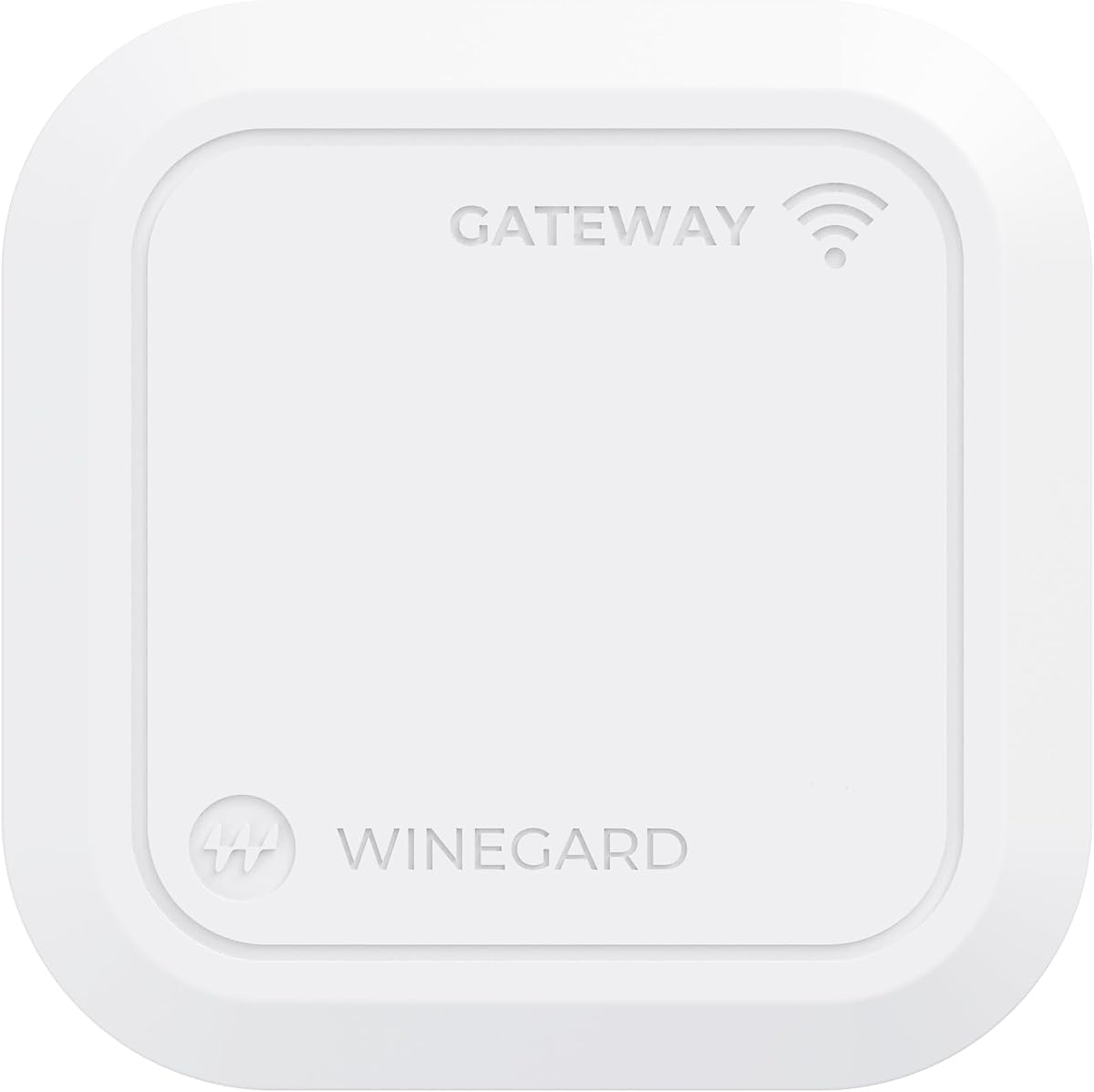
The Winegard Gateway GW-5G01 is tailored for RV owners using the Winegard Air 360+ 5G system. It integrates directly with the dome antenna for cellular backhaul, simplifying setup and ensuring compatibility. It supports multiple carriers and hybrid connections, allowing you to use Starlink or other satellites alongside 5G.
We may earn a commission when you buy through this link, at no additional cost to you.
Key strengths include its seamless integration into RV setups and the option to switch carriers for better rates or coverage. The gateway is U.S.-based, offering privacy benefits for users concerned about foreign monitoring. It provides reliable dual-band Wi-Fi for devices inside the vehicle.
The main limitation is dependency on the Air 360+ dome; you cannot use this gateway with other 5G antennas. Additionally, Wi-Fi 5 technology means wireless speeds are lower compared to modern Wi-Fi 6 routers. For RV users, these constraints are often acceptable given the system's convenience and reliability.
This gateway is ideal for RV travelers invested in the Winegard ecosystem. If you want a plug-and-play 5G internet solution that integrates with your existing dome and supports hybrid setups, the GW-5G01 is a great choice. It prioritizes ease of use and mobile connectivity for life on the road.
Designed for Air 360+ dome compatibility, this router simplifies installation and ensures optimal performance with Winegard systems.
Ethernet WAN allows hybrid setups with Starlink or other satellites, providing backup options for areas with weak cellular coverage.
We may earn a commission when you buy through this link, at no additional cost to you.
The GL.iNet GL-E5800 is a flagship travel router featuring Wi-Fi 7 tri-band capabilities and robust 5G support. It includes a built-in eSIM plus two nano-SIM slots, offering immense flexibility for global connectivity. The 2.5G Ethernet port and built-in battery make it suitable for power users needing high-speed wired and wireless options.
We may earn a commission when you buy through this link, at no additional cost to you.
Its premium features include a touchscreen for quick settings adjustments and fast 30W PD charging. The device supports quad-path failover, ensuring internet stays live by switching between cellular, Ethernet, and tethering. It is built for professionals who cannot afford downtime while on the move or at remote sites.
The high price and size may deter casual travelers who want a lighter device. Additionally, while powerful, it requires careful management to avoid battery drain. However, for those who need the best combination of speed, flexibility, and reliability in a portable unit, it is unmatched.
Ideal for executives, content creators, or remote workers needing top-tier mobile internet. If you require Wi-Fi 7 speeds, multiple SIM options, and failover redundancy, the GL-E5800 delivers. It offers premium performance with the convenience of a self-contained portable router system.
Built-in eSIM plus dual SIM slots let you switch carriers easily without physically swapping cards while traveling internationally.
2.5G Ethernet and 10 Gbps USB-C allow fast wired backhaul and data transfers, ideal for syncing large files on the go.
We may earn a commission when you buy through this link, at no additional cost to you.
The Waveform QuadMini is a specialized antenna kit designed to upgrade existing routers with external antenna ports. It features 4×4 MIMO technology, which can significantly improve data rates and reliability compared to single-stream antennas. The omnidirectional design ensures you do not need to aim the antenna for better signal.
We may earn a commission when you buy through this link, at no additional cost to you.
Key strengths include the complete kit with cables and mounting accessories, making installation straightforward. Its low-profile design allows discreet placement on walls or windows without obstructing views. It is a great complement to routers that support four antenna inputs for maximizing 5G performance.
However, this is not a standalone router; it works only with compatible 5G routers with external antenna ports. Users need to ensure their device supports 4×4 MIMO for full benefits. For those looking to upgrade signal without replacing their entire setup, this is a practical and effective solution.
Ideal for households or businesses wanting to boost existing 5G router performance. If you have a router with external antenna ports and seek better reception or data rates, the QuadMini is an excellent add-on. It simplifies setup with included hardware and supports reliable connectivity.
4×4 MIMO isolation and polarization significantly improve data throughput and reduce latency compared to standard single-antenna setups.
Includes Window Entry Cable, UltraFlex-Quad cables, and weatherproofing boots for a seamless and durable external antenna setup.
We may earn a commission when you buy through this link, at no additional cost to you.
Choosing the right 5G router with external antenna ports requires considering modem capabilities, antenna flexibility, and intended use cases. This section outlines key factors to evaluate before purchasing.
Ensure the router supports 5G SA and NSA standards for maximum speed and coverage. Look for Qualcomm SDX62 or X62 modems which offer high theoretical speeds and better compatibility with carriers.
Check that the router has SMA or RP-SMA connectors to attach external antennas. These standard ports allow you to upgrade to high-gain antennas for improved signal in remote areas.
Decide between Wi-Fi 6 and Wi-Fi 7 based on budget and need. Wi-Fi 6 offers solid performance for most users, while Wi-Fi 7 provides faster throughput for future-proofing high-density networks.
Consider routers with dual SIM slots or eSIM support for redundancy. This feature allows you to switch carriers easily and maintain connectivity if one network fails or loses signal.
Look for multi-WAN or triple failover features to ensure internet reliability. These allow the router to switch between cellular, Ethernet, or secondary SIM connections automatically when a link drops.
Prioritize routers with built-in VPN support like WireGuard or OpenVPN. Security is crucial for remote access and protecting data, especially when using public or shared cellular networks.
Evaluate the router's design for indoor or outdoor use. Industrial-grade routers should have rugged enclosures, while home models may focus on aesthetics. Ensure mounting options fit your space requirements.
Balance the price with features like Wi-Fi 7 or industrial durability. Higher cost may bring better longevity and performance, but ensure you pay only for what your specific setup requires.
Regularly check antenna connections for wear or looseness. Keep the router in a well-ventilated area to prevent overheating. For outdoor units, inspect seals and cables periodically to maintain weather resistance and signal integrity.
Not all 5G routers come with external antenna ports. Look for models specifically mentioning SMA or RP-SMA connectors. Most industrial and high-end consumer routers include these ports to support signal boosting with external antennas.
Antenna gain is measured in dBi, with higher values indicating stronger signal focus. For general use, 8-10 dBi omnidirectional antennas work well. In remote areas, directional antennas with 15+ dBi can significantly improve connectivity.
Most routers support multiple carriers if unlocked. Check carrier certifications like T-Mobile or AT&T IoT certification. Dual SIM models offer more flexibility by allowing you to switch between networks for better coverage.
Many models support Wi-Fi 6, while newer premium ones offer Wi-Fi 7. Wi-Fi 6 provides faster speeds and better device management. Ensure your device supports the latest Wi-Fi standard for optimal performance.
Access the router's admin panel and navigate to WAN settings. Enable Multi-WAN or failover options to prioritize connections. Set rules so cellular takes over if Ethernet fails or vice versa automatically.
eSIMs offer flexibility to switch carriers without swapping cards. Physical SIMs are universally compatible. For travelers, a router with both eSIM and physical slots provides the most versatile option.
Always verify current pricing and availability before purchasing as deals change frequently. Reading user reviews and checking warranty terms can further ensure you make a smart investment for your internet needs.