
EVISTR L357 Digital Voice Recorder with Playback
4.2Editor score
64GB high capacity memory
Voice activated recording
32 hours continuous recording
Dynamic noise reduction mic
This guide compares the top handheld recorders for journalists, evaluating audio quality, battery life, portability, and features to help you choose the ideal
Journalists need reliable audio tools to capture clear interviews and ambient sound in the field. A good handheld recorder ensures professional quality without bulky equipment.
We evaluated ten top models based on microphone quality, storage options, battery endurance, and ease of use. Each device was assessed for real-world reporting scenarios.
Our picks highlight specific strengths for different budgets and needs. Prices and availability change frequently, so verify details before purchasing to ensure you get the right value.
4.2Editor score

4.7Editor score
4.2Editor score
This side-by-side comparison highlights key specifications across all ten selected recorders. Use this table to quickly identify which model matches your specific reporting needs and budget constraints.




The Zoom H5 stands out as a top choice for journalists needing versatile and high-quality audio capture. With a rating of 4.7, it delivers professional results in field conditions.
We may earn a commission when you buy through this link, at no additional cost to you.
Its interchangeable capsule system allows you to adapt the mic configuration for different scenarios. You can swap mics to suit interviews or ambient sound needs easily.
The device includes XLR inputs and a USB interface for direct connection to computers. This flexibility ensures you can integrate it into complex production workflows seamlessly.
Journalists who need reliable multi-track recording and robust audio quality will find this recorder an excellent investment. It balances portability with advanced features effectively.
The ability to swap input capsules means you can optimize the microphone setup for every story, whether it requires focused interviews or wide environmental sound.
The built-in safety net feature protects recordings from clipping, ensuring you capture crucial audio even when levels spike unexpectedly during intense field situations.
We may earn a commission when you buy through this link, at no additional cost to you.
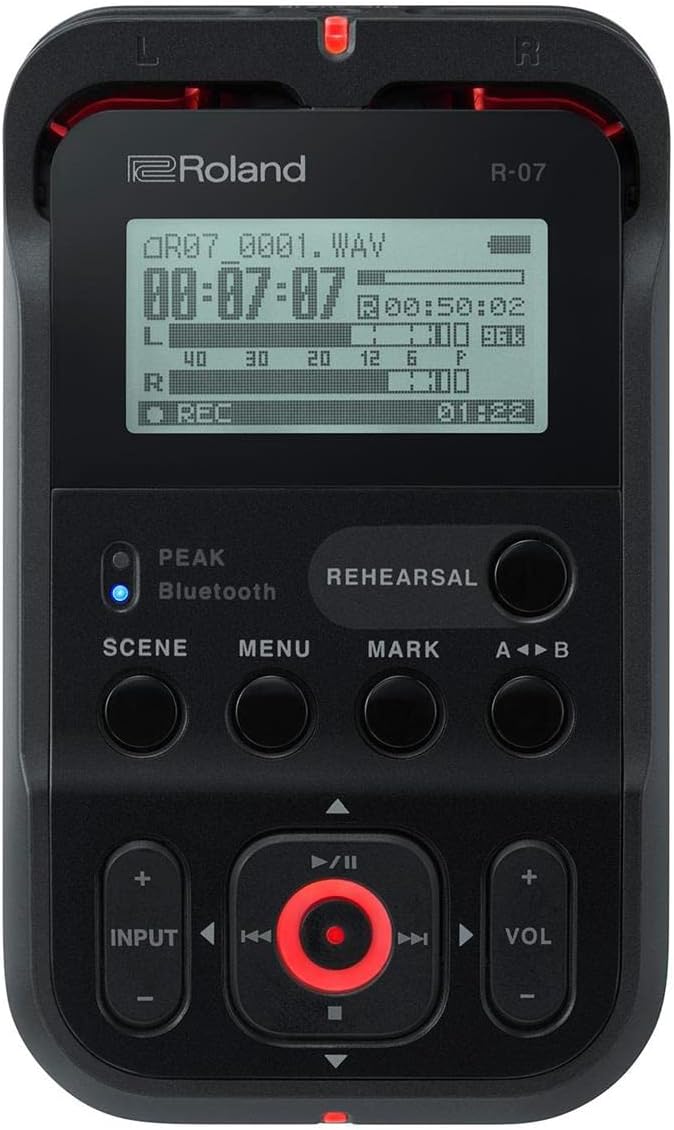
The Roland R-07 offers high-resolution recording in a lightweight package ideal for mobile journalists. It scores 4.2 for its reliable performance and convenient wireless features.
We may earn a commission when you buy through this link, at no additional cost to you.
Bluetooth allows you to control and monitor audio using smart devices. This helps reduce the bulk of carrying extra monitoring gear while staying connected.
Simultaneous recording in MP3 and WAV formats provides backup options. You get detailed audio for editing alongside a portable format for quick sharing.
Journalists valuing ease of use and wireless connectivity will appreciate this device. Its compact design ensures it fits easily into a field kit without adding weight.
Using Bluetooth to manage the recorder means you can adjust settings from a phone, keeping your hands free to manage interview subjects or equipment.
Recording in both MP3 and WAV ensures you have a lightweight file for immediate distribution and a high-quality source for later post-production editing.
We may earn a commission when you buy through this link, at no additional cost to you.
The EVISTR L357 is a budget-friendly option that does not compromise on storage or battery life. It is rated 4.2 for its practicality in long recording sessions.
We may earn a commission when you buy through this link, at no additional cost to you.
Voice activated recording saves space by capturing sound only when needed. This reduces silent segments and ensures you do not miss important details in lectures.
With 64GB of storage, you can store thousands of hours of files. The metal build adds durability for field use while keeping the device lightweight.
Journalists needing a simple, low-cost tool for quick interviews or dictation will find this unit sufficient. It excels in value for basic recording tasks.
The voice activation feature automatically starts and stops recording, optimizing disk space and making file management easier during long days of field work.
With up to 32 hours of continuous recording, this device allows you to cover extended events without worrying about recharging or changing batteries frequently.
We may earn a commission when you buy through this link, at no additional cost to you.
The Tonfarb 64GB focuses on simplicity with one-click recording and saving. Rated 4.0, it is designed for users who need fast operation without complex setup steps.
We may earn a commission when you buy through this link, at no additional cost to you.
The one-click feature ensures you never miss a moment, even when powered off. This is critical for journalists capturing sudden events or unexpected comments.
Password protection keeps your files secure from unauthorized access. This adds a layer of privacy for sensitive interviews or confidential recordings.
Journalists prioritizing speed and security in a basic device will appreciate this model. It offers solid performance for straightforward recording needs at a low cost.
The ergonomic side button allows you to start recording instantly without unlocking the device, ensuring you capture sound as soon as it happens.
Password protection safeguards sensitive audio files, providing peace of mind when transporting recordings that contain private or proprietary information.
We may earn a commission when you buy through this link, at no additional cost to you.
The Tascam DR-40 provides a trusted option for digital recording in the field. With a rating of 4.6, it delivers reliable performance for journalists needing multi-track capabilities.
We may earn a commission when you buy through this link, at no additional cost to you.
It supports four-track recording, allowing for flexible post-production options. This ensures you can separate sources for better editing and mixing later on.
The silver finish is robust and resists wear from frequent travel. Its compact design ensures it fits easily into a standard camera bag or pocket.
Journalists needing basic multi-track recording without complex features will find this device effective. It offers a stable platform for audio capture in varied environments.
Recording on multiple tracks allows you to isolate audio sources, such as separating voice from background noise during post-processing for clearer final output.
The compact dimensions and durable finish mean the device can withstand the rigors of daily field use without adding significant bulk to your gear.
We may earn a commission when you buy through this link, at no additional cost to you.
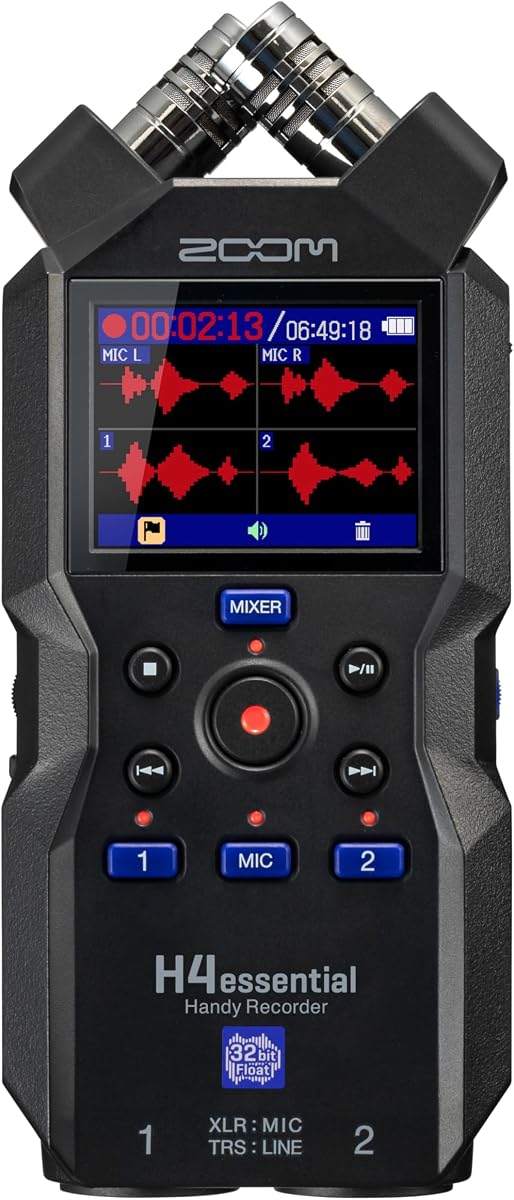
The Zoom H4 Essential balances affordability with advanced features like XLR inputs and USB-C connectivity. It is rated 4.4 for its versatility across different recording scenarios.
We may earn a commission when you buy through this link, at no additional cost to you.
You can connect external mics or mixers, expanding the device beyond built-in microphones. This flexibility is vital for professional interviews or soundboard connections.
The spoken menu guidance makes navigation easier for all users. This accessibility feature ensures quick setup even when you are rushing to record a breaking story.
Journalists needing a balance between professional inputs and user-friendly design will find this recorder ideal. It handles diverse audio tasks without overwhelming complexity.
XLR/TRS inputs allow you to plug in professional microphones or direct audio feeds, ensuring higher fidelity when built-in mics are not sufficient for the setting.
The spoken menu assists visually impaired users and simplifies operation for everyone, reducing the time needed to find the right settings during urgent situations.
We may earn a commission when you buy through this link, at no additional cost to you.
The Pocket AI Voice Recorder transforms audio into actionable text summaries automatically. With a rating of 4.6, it serves as both a recorder and a personal assistant.
We may earn a commission when you buy through this link, at no additional cost to you.
It automatically transcribes meetings and extracts key action items. This saves hours of manual note-taking and speeds up the reporting workflow significantly.
MagSafe compatibility allows hands-free attachment to your iPhone. You can secure it on your lap or pocket without needing to hold it during interviews.
Journalists needing fast transcription and smart organization will benefit from this tool. It bridges the gap between raw audio and written content effectively.
By converting recordings into text instantly, you can focus on interviewing rather than typing notes, increasing your efficiency during tight deadlines.
The MagSafe feature ensures the recorder stays in place during travel or movement, allowing you to record discreetly without handling the device constantly.
We may earn a commission when you buy through this link, at no additional cost to you.
The Zoom H1 Essential captures clear stereo audio in a small form factor. Rated 4.0, it is designed for content creators needing polished sound without complex setups.
We may earn a commission when you buy through this link, at no additional cost to you.
It delivers natural stereo sound ideal for interviews and ambient recording. This clarity ensures voices come through clearly in post-production without extra processing.
USB-C connectivity allows it to function as a microphone for remote calls. This dual functionality saves space by reducing the need for separate audio gear.
Journalists needing a simple, portable tool for video audio or interviews will find this device effective. It provides good quality sound for most general reporting tasks.
The stereo microphones provide a wide soundstage, making recordings sound more natural and immersive compared to standard mono phone recordings.
Connecting via USB-C to your computer allows you to use the device as a high-quality microphone for remote interviews and virtual press conferences.
We may earn a commission when you buy through this link, at no additional cost to you.
The Zoom H2 Essential offers flexible microphone patterns for various acoustic environments. It is rated 4.4 for its robust audio capabilities and intelligent gain handling.
We may earn a commission when you buy through this link, at no additional cost to you.
Three built-in microphones with nine patterns capture everything from interviews to wide soundscapes. This versatility adapts to changing field conditions without extra equipment.
32-bit float recording ensures audio is clip-free regardless of volume spikes. You can set the gain once and trust the device to handle sudden loud sounds.
Journalists covering events with dynamic audio levels will appreciate the safety net provided by float recording. It simplifies setup while maintaining professional audio integrity.
The 32-bit float capability protects your audio from distortion during unexpected loud noises, ensuring usable audio even if you cannot adjust levels in time.
Switching between patterns allows you to optimize stereo width or focus on center audio, giving you control over the spatial quality of your field recordings.
We may earn a commission when you buy through this link, at no additional cost to you.
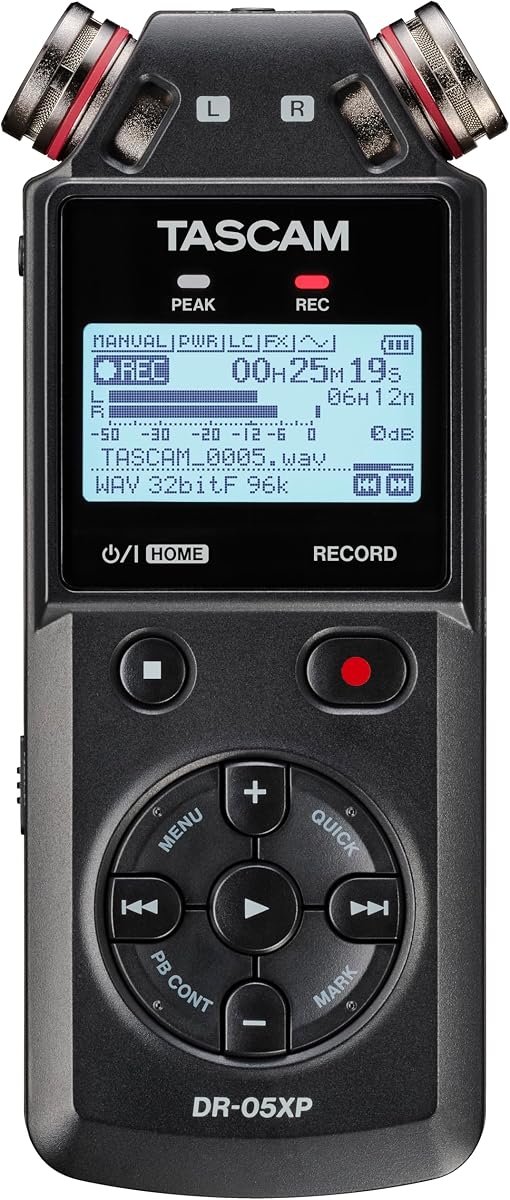
The TASCAM DR-05XP brings 32-bit float recording to a portable price point. Rated 4.2, it ensures high-quality audio capture without complex gain settings for journalists.
We may earn a commission when you buy through this link, at no additional cost to you.
It handles loud environments up to 125dB SPL without distortion. The USB-C interface allows direct connection to computers for fast file transfers.
With sample rates up to 96kHz, you get high-fidelity audio suitable for professional editing. This ensures your recordings retain clarity in post-production workflows.
Journalists needing reliable float audio and modern connectivity on a budget will find this recorder excellent. It balances performance and affordability effectively.
The omnidirectional mics can handle loud sources up to 125dB, ensuring distortion-free recording even in noisy environments like crowds or street interviews.
USB-C connectivity facilitates direct recording to computers and faster data transfer, streamlining your workflow when you need to upload content quickly.
We may earn a commission when you buy through this link, at no additional cost to you.
Choosing the right recorder involves balancing audio quality, portability, and features suited to your reporting style. Consider these factors to find the best fit.
Microphone quality determines how well your recorder captures voice and ambient sound. Look for omnidirectional or stereo mics that handle a wide frequency range and loud environments.
Prioritize models with adjustable gain or noise reduction to ensure clarity in noisy settings.
High-resolution formats like WAV and 24-bit depth provide more flexibility for editing. Many recorders now offer 32-bit float to prevent clipping during dynamic volume changes.
Select a model that supports standard high-quality formats to avoid losing audio detail.
Storage capacity impacts how long you can record without changing cards. Built-in memory or SD card slots allow for extended sessions during long events.
Opt for devices with expandable storage to accommodate multiple files and backups.
Battery life is crucial for all-day reporting. Look for models that support long runtimes with AA or rechargeable batteries to avoid interruptions in the field.
Check manufacturer claims for continuous recording times under typical usage.
Connectivity features like USB-C or Bluetooth enable direct transfer to devices and monitoring. These features streamline your workflow and reduce equipment bulk.
Ensure the recorder supports your preferred connection standards for efficient data handling.
A durable, portable build ensures the recorder survives travel and daily use. Look for rugged designs that fit easily into pockets or bags without adding weight.
Balance size and protection to carry the device comfortably during long shoots.
Intuitive controls and clear displays help you operate the device quickly under pressure. Menus should be simple to navigate so you can start recording without delays.
Choose recorders with physical buttons for recording start and stop to avoid screen errors.
Your budget should reflect your needs for audio fidelity and features. Basic models are sufficient for simple interviews, while advanced ones offer multi-track editing capabilities.
Invest in a recorder that matches the complexity of your production requirements.
Set up your recorder before heading out to ensure settings match your needs. Check battery levels and storage space to avoid interruptions during critical moments.
During interviews, position the microphone close to the subject for better voice capture while avoiding handling noise. Use a windscreen outdoors to reduce wind interference.
After recording, transfer files to a secure location immediately and back them up. Clean the device gently with a dry cloth to remove dust and maintain performance.
Yes, handheld recorders are ideal for interviews due to their focused microphones and portability. They capture clear voice audio while minimizing background noise when positioned correctly near the subject.
Recording time varies by model, ranging from 10 to over 40 hours depending on battery type and settings. Always check the manufacturer specifications for continuous recording times before buying.
Journalists typically use WAV or MP3 formats for their balance of quality and file size. WAV files retain more detail for editing while MP3s are smaller for quick sharing.
Many modern recorders include USB audio interface features allowing them to act as high-quality external microphones. This is useful for podcasts or remote interviews when connected to a computer.
Most handheld recorders do not include SD cards so you will need to purchase one separately. Ensure you get a card with enough capacity and speed to match your device requirements.
Protect your recorder by using a padded case and windscreen to shield against dust and weather. Avoid extreme temperatures and handle the device gently to prolong its lifespan.
Our top picks offer a range of options from budget-friendly voice recorders to professional multi-track devices. Each model provides distinct benefits suited to different reporting needs and styles.
When choosing, prioritize microphone quality and battery life as these directly affect your ability to capture clear audio in the field. Consider connectivity and storage for seamless workflow integration.
Prices and availability change frequently so check current details before purchasing to ensure you get the best value for your investment. Always verify specs match your specific requirements.