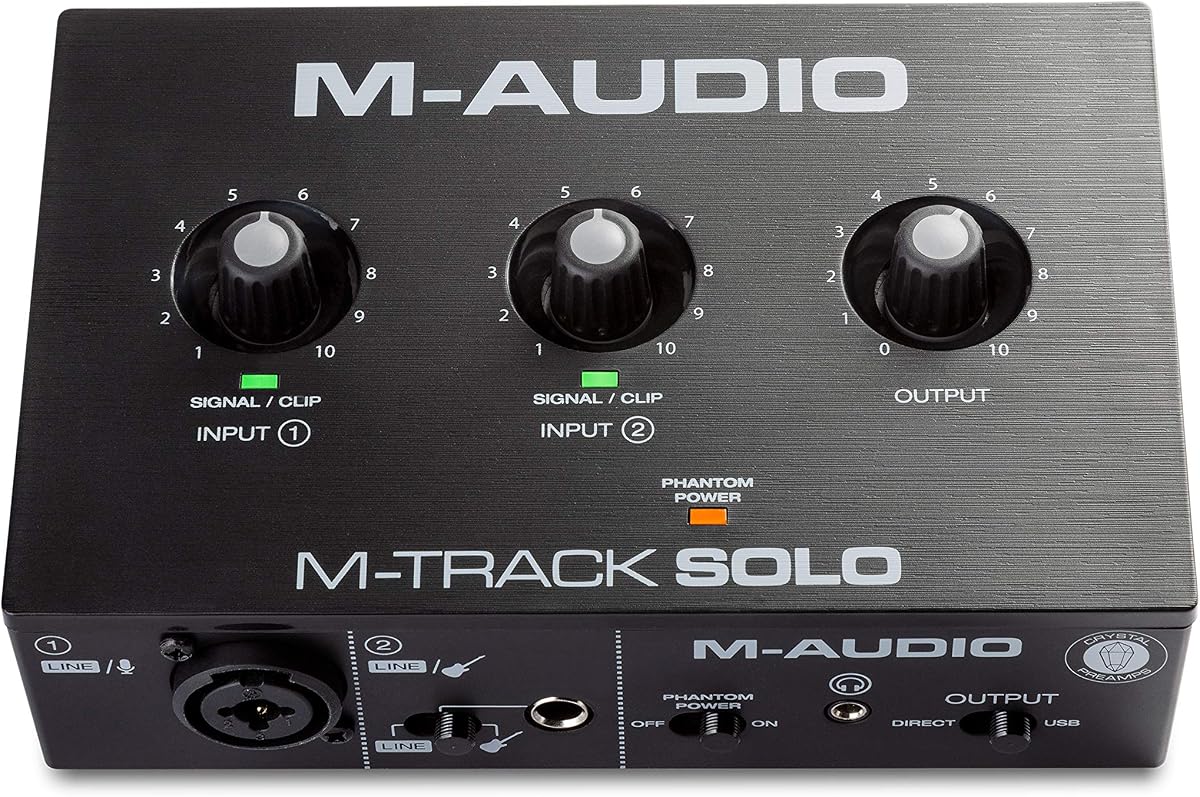
M-AUDIO M-Track Solo
4.3Editor score
Crystal Preamp technology
USB/Direct monitoring switch
Includes MPC Beats software
This guide compares the top audio interfaces for guitar recording, focusing on sound quality, latency, compatibility, and value for musicians and streamers in
Finding the right audio interface for guitar is essential for capturing your tone with clarity and precision. Whether you are recording at home or streaming live, the interface acts as the bridge between your instrument and your computer or mobile device.
We evaluated ten top models based on sound quality, connectivity options, software bundles, and ease of use. Our analysis covers everything from pocket-sized mobile interfaces to full-featured studio units designed for professional production workflows.
Each selection highlights specific strengths like low latency monitoring, high-resolution conversion, or extensive compatibility. Keep in mind that prices and availability can change frequently, so check current listings before making your final purchase decision.
4.3Editor score
4.6Editor score

4.8Editor score
This side-by-side comparison highlights the key specifications and capabilities of each interface to help you choose the perfect match for your recording needs.


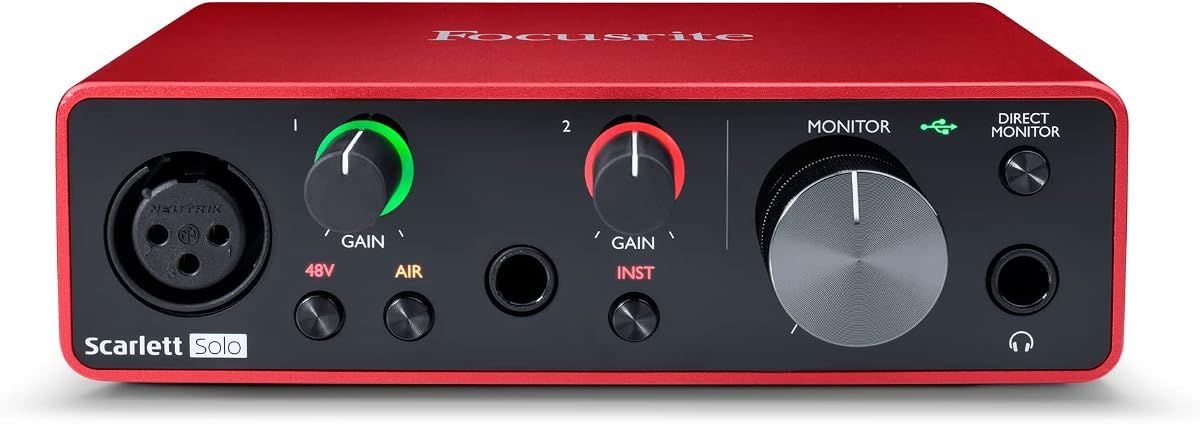
The Focusrite Scarlett Solo 3rd Gen stands out as a top choice for guitarists seeking studio quality at home. It offers high-performance preamps and a 24-bit/192kHz resolution ensuring your recordings capture every nuance of your tone.
We may earn a commission when you buy through this link, at no additional cost to you.
Its Air mode adds extra clarity to acoustic instruments and vocals which is perfect for layered tracks. The Gain Halo ring helps you set perfect levels without unwanted clipping or distortion during your sessions.
While it lacks MIDI inputs and has only one instrument jack it remains highly versatile. The included software bundle like Pro Tools Intro and Ableton Live Lite provides everything needed to start creating immediately.
This interface is ideal for solo musicians and podcasters who need reliable performance. Its low noise outputs ensure clean playback whether you are mixing tracks or monitoring through headphones during practice.
Air mode enhances high frequencies giving your recordings a bright open sound that stands out in a mix.
The Gain Halo provides real-time visual feedback on input levels helping you avoid distortion before recording.
We may earn a commission when you buy through this link, at no additional cost to you.
The JOYO MOMIX CAB is designed for musicians who need to record ideas on the go. It passes your guitar signal directly to headphones with zero latency ensuring you hear your playing instantly while recording.
We may earn a commission when you buy through this link, at no additional cost to you.
Its pocket-sized design clips securely to your pocket or strap making it easy to carry anywhere. You simply plug it into your phone via USB-C or Lightning and start recording without installing any drivers.
While it is great for dry tracks and practice sessions it does not support real-time software amp simulations. This limitation makes it best suited for capturing clean performances rather than processed effects.
This interface is perfect for social media streams and quick song demos. Its simplicity and lack of power requirements make it a reliable tool for capturing inspiration whenever and wherever it strikes.
Hear your guitar instantly through headphones without delay ensuring natural playing feel during mobile sessions.
Connect to phone or tablet without drivers or batteries making it ready for use immediately.
We may earn a commission when you buy through this link, at no additional cost to you.
The M-AUDIO M-Track Duo offers versatility for recording guitar and vocals simultaneously or with a band. Its two combo inputs allow flexible connection of microphones or instruments ensuring you have enough channels for your setup.
We may earn a commission when you buy through this link, at no additional cost to you.
Crystal Preamps deliver optimal sound from all connected mics whether dynamic or condenser. The USB/Direct switch provides zero latency monitoring so you can hear your signal without delay during tracking.
Though it lacks 192kHz resolution it maintains high fidelity with 48kHz audio output. The included MPC Beats software gives you essential production tools right out of the box for a complete start.
This interface is a solid choice for podcasters and home studios needing dual inputs. Its reliable performance and straightforward controls make it suitable for both beginners and experienced musicians.
Record guitar and vocals together or capture two instruments at once with two combo inputs.
Transparent preamps ensure your sound remains pure without coloration or noise.
We may earn a commission when you buy through this link, at no additional cost to you.
The IK Multimedia iRig USB is built for musicians who want to record on various devices including iPad and iPhone. It features a headphone output with direct monitoring ensuring silent practice and clean recording simultaneously.
We may earn a commission when you buy through this link, at no additional cost to you.
Its dedicated amp output lets you connect to your amp or pedal rig with selectable FX or THRU settings. This flexibility allows you to play through your gear while recording clean signals for later processing.
The included software bundle helps jumpstart your creative journey with essential tools and plug-ins. Its compact design ensures it can withstand professional use whether in the studio or traveling on the road.
This interface is ideal for iOS users seeking a seamless connection experience. With USB-C compatibility it adapts well to modern devices and provides reliable sound quality for everyday recording needs.
Connect to external amps or pedals while recording via switchable FX or direct signal paths.
Direct monitoring lets you play without delay or noise during late-night sessions.
We may earn a commission when you buy through this link, at no additional cost to you.
The MAONO PS22 Lite targets recording enthusiasts and streamers needing clear high-resolution audio. It offers 24-bit/192kHz recording ensuring every detail and beat is captured accurately during your performances.
We may earn a commission when you buy through this link, at no additional cost to you.
Its ProStudio Routing Software provides virtual channels and loopbacks useful for live broadcasts and social media influencers. You can manage your stream audio easily while maintaining low-latency output via ASIO drivers.
While the software is powerful it may require some setup time for beginners. However its intuitive modes for recording and instruments make switching between different setups straightforward once configured.
This interface is perfect for content creators needing versatile audio handling. The dynamic light ring indicates input status clearly and its ergonomic design ensures comfortable use during long sessions.
Advanced routing allows flexible channel management for streams and multi-track recording.
192kHz resolution preserves audio details for professional quality recordings.
We may earn a commission when you buy through this link, at no additional cost to you.
The PIYONE Q28 delivers studio-quality sound at an accessible price point. With 24-bit/192kHz resolution and high-performance converters it ensures crystal-clear low-noise recordings for professional music production.
We may earn a commission when you buy through this link, at no additional cost to you.
Its modern design includes illuminated control rings that enhance visibility in dim studios. The direct monitor feature allows silent zero-latency tracking making it suitable for both home recording and live performance.
Bus power eliminates the need for external supplies keeping setup simple and portable. The loopback function supports streaming needs by allowing you to mix system audio with your input.
This interface is a strong contender for budget-conscious creators. It combines style and function well making it ideal for laptop users and mobile creators seeking reliable high-fidelity performance.
LED light rings on gain knobs improve visibility and add a professional aesthetic.
Stream system audio alongside your performance for interactive broadcasts and recordings.
We may earn a commission when you buy through this link, at no additional cost to you.
The M-AUDIO M-Track Solo is a perfect entry-level choice for solo guitarists and podcasters. It delivers 48kHz audio resolution ensuring pristine recordings every time with minimal setup effort.
We may earn a commission when you buy through this link, at no additional cost to you.
Its Crystal Preamp guarantees optimal sound quality from connected microphones and instruments. The USB/Direct switch ensures zero latency monitoring allowing you to hear your signal immediately during sessions.
While it has only one input it focuses on simplicity and reliability. The included MPC Beats software provides essential production tools to help you start creating music right away.
This interface is ideal for beginners needing a straightforward solution. Its portable design and low cost make it an excellent first step into home recording and live streaming.
Affordable pricing combined with professional features makes this ideal for new creators.
Easy connection without drivers saves time and reduces technical frustration.
We may earn a commission when you buy through this link, at no additional cost to you.
The Arturia MiniFuse 1 stands out for its extensive software bundle and comprehensive warranty. It offers best-in-class audio specs allowing you to record guitar vocals and synths with high quality.
We may earn a commission when you buy through this link, at no additional cost to you.
Its Loopback feature lets you capture in-app or in-game audio alongside your voice perfect for content creation. The USB hub and MIDI support ensure you can sync with external gear like controllers and drum machines.
Although it has one instrument input it includes versatile combo inputs for microphones. The included tutorials and readymade projects help beginners explore production capabilities quickly and effectively.
This interface is ideal for those investing in long-term creative growth. The robust construction and reliable performance make it a dependable choice for home studios and professional setups alike.
Extensive warranty covers your investment ensuring peace of mind for long-term use.
Sync external controllers and synths effortlessly with dedicated MIDI I/O.
We may earn a commission when you buy through this link, at no additional cost to you.
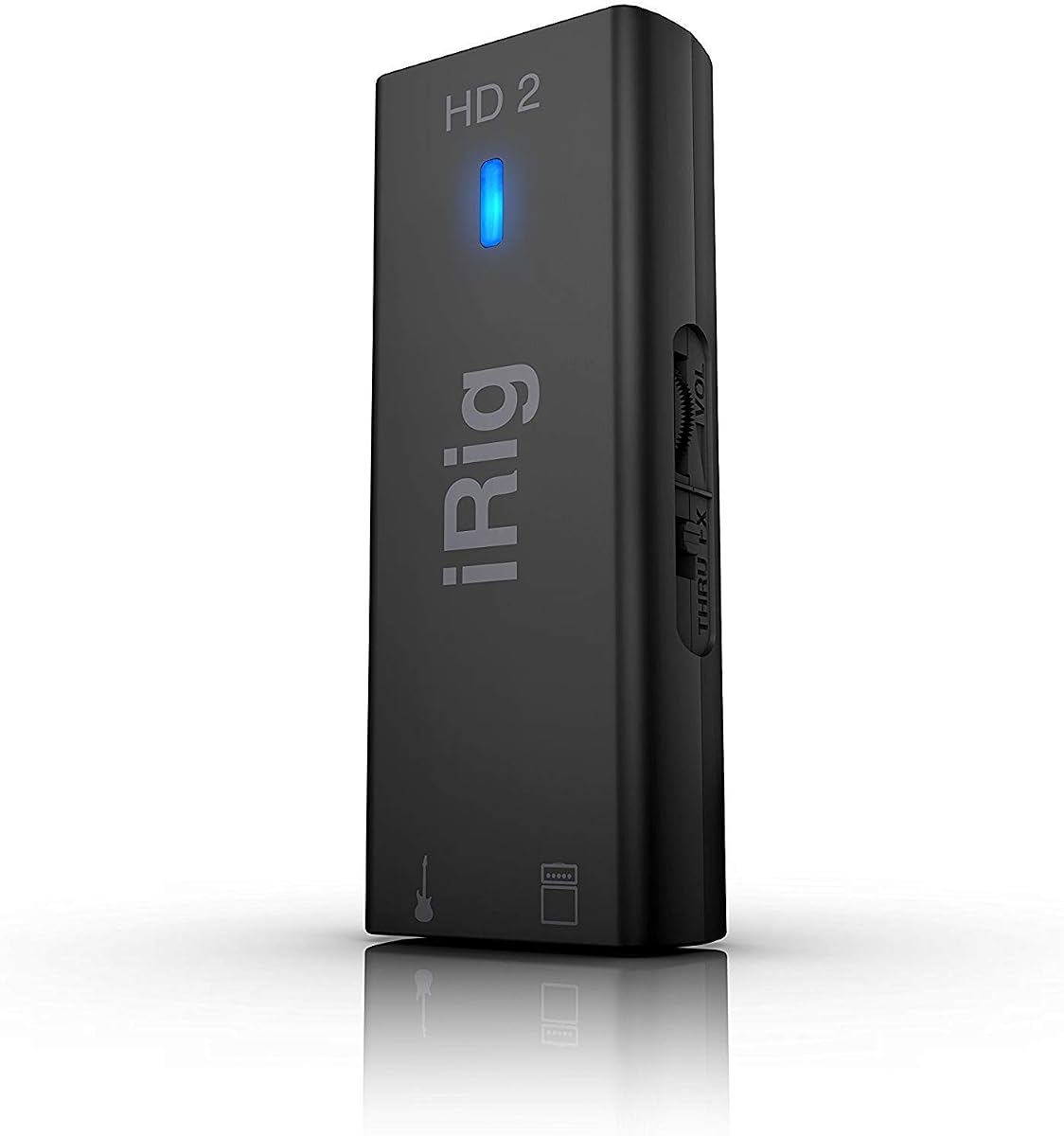
The IK Multimedia iRig HD 2 offers high-definition digital recording with a 96kHz sampling rate. This ensures distortion-free amplifier practice and high-quality results for musicians using iPhone or iPad.
We may earn a commission when you buy through this link, at no additional cost to you.
Its Amp Out jack allows you to connect to external amps or keyboards without extra accessories. The switchable FX and Thru settings give you control over processed signals while maintaining silent practice modes.
Exclusive software content unlocks advanced tools inside amplitude apps for iOS and PC. Its lightweight construction fits easily in your pocket ensuring portability for travel and gigging scenarios.
This interface is perfect for mobile musicians needing high resolution sound. The included Lightning and USB cables ensure compatibility across devices making it versatile for iOS and desktop recording.
96kHz rate delivers detailed audio capture unmatched by standard mobile interfaces.
Monitor your performance through headphones without delay for comfortable playing.
We may earn a commission when you buy through this link, at no additional cost to you.
The Fender Quantum HD 2 is a powerhouse designed for professional studios and advanced creators. It offers 32-bit/192kHz converters and MAX-HD preamps ensuring pristine vocal and instrument capture.
We may earn a commission when you buy through this link, at no additional cost to you.
Auto Gain instantly sets perfect recording levels removing frustration from your sessions. Dual re-amp outputs let you explore new tones with external gear enhancing your creative workflow significantly.
ADAT expansion adds sixteen digital inputs for hybrid studio growth future-proofing your setup. The Fender Studio app provides authentic amp models and effects to craft inspiring guitar tones without external hardware.
This interface is best for professionals needing top-tier performance. Its full remote control and extensive I/O options make it suitable for complex productions and large scale music projects.
Ultra-low noise preamps capture every detail of your instrument with clarity.
Re-process recorded signals through amps and pedals for tone refinement.
We may earn a commission when you buy through this link, at no additional cost to you.
Selecting the right audio interface requires understanding key factors that affect sound quality, compatibility, and workflow efficiency for your specific recording needs.
Higher sample rates and bit depths like 24-bit/192kHz provide greater fidelity and dynamic range. These specifications ensure your guitar recordings capture all the subtle details and nuances of your performance.
Look for interfaces that support at least 24-bit/48kHz to maintain professional quality without unnecessary data overhead.
Latency refers to the delay between playing a note and hearing it back through your system. Zero-latency direct monitoring is crucial for live recording and ensuring you feel connected to your instrument.
Choose interfaces with dedicated hardware monitoring controls to manage this delay effectively.
Guitar interfaces should include instrument inputs with proper impedance handling. If you plan to record vocals simultaneously look for combo XLR inputs with phantom power for condenser microphones.
Ensure the number of inputs matches your typical recording setup to avoid channel limitations.
USB-C offers faster data transfer and bus power eliminating external power supplies. Check if your computer or mobile device supports the necessary connectors to avoid compatibility issues.
Modern interfaces with USB-C provide better portability and streamlined connections for travel.
Many interfaces include production software like DAWs and amp simulators that add value. These tools can help you start creating immediately without additional purchases.
Verify that included software is compatible with your operating system and meets your production goals.
A robust chassis ensures your interface withstands frequent use and transport. Metal bodies and solid knobs contribute to long-term reliability in studio or live settings.
Invest in models with proven durability to protect your investment over years of use.
Prices vary widely from affordable mobile units to high-end studio models. Determine your essential features and prioritize those that align with your specific recording requirements.
Balancing cost with needed features helps you find the most efficient tool for your setup.
Connect your guitar to the instrument input using a standard instrument cable. Plug the interface into your computer or mobile device using the included USB cable and ensure drivers or auto-detection is active.
Adjust the input gain knob until the signal lights indicate optimal levels without clipping. Use the headphone output to monitor your sound in real time for zero latency playback.
Keep the interface in a cool dry place to avoid dust accumulation. Regularly inspect cables for wear and replace them promptly to maintain audio quality and avoid signal loss.
Yes, an audio interface provides high-quality input and proper impedance matching that built-in computer sound cards lack. It ensures your guitar signal is captured clearly without distortion or noise.
Higher sample rates like 192kHz capture more audio detail and are useful for professional mastering. However 48kHz is often sufficient for most music and streaming needs with smaller file sizes.
Many modern interfaces support mobile devices via USB-C or Lightning. Check device compatibility and ensure your phone supports USB OTG for seamless connection and power.
Phantom power provides electricity to condenser microphones for optimal sound capture. You need it if you plan to record vocals or acoustic instruments with condenser mics.
USB-C is generally preferred for faster data transfer and reversible connectivity. It also supports bus power more efficiently which simplifies your setup by removing external adapters.
Enable direct monitoring on your interface to hear your guitar signal immediately through headphones. This bypasses software processing delays ensuring zero latency during live recording.
Most include basic DAWs and effects bundles like Ableton Live Lite or Pro Tools Intro. These are excellent for getting started but you may need more advanced tools as you grow.
Yes interfaces with amp outputs allow you to connect to your pedal rig or amplifier. This setup enables you to record your processed tone while maintaining a dry signal for editing.
Choosing the right audio interface depends on your specific recording needs and budget. From the portable JOYO MOMIX CAB to the professional Fender Quantum HD 2 there is a perfect match for every musician.
Prioritize features like latency monitoring input count, and software bundles that align with your workflow. These factors ensure you capture your guitar tones with the clarity and quality they deserve.
Remember that current prices and availability may vary across retailers. Always check the latest listings before making your purchase to get the best deal available in November 2026.