
Proster LCR Meter Multimeter Capacitance Inductance Resistance Tester
4.5Editor score
Affordable entry level price
Rotatable LCD for viewing
Complete kit with leads
This guide compares the top Lcr Meter options for 2026, covering accuracy, features, and value to help you choose the right component tester.
An Lcr Meter is essential for anyone working with electronics who needs precise measurements of inductance, capacitance, and resistance. These devices go beyond standard multimeters to provide detailed insights into component health and performance in circuits.
We evaluated ten top-rated models based on accuracy, measurement speed, display quality, and ease of use. Our comparison includes handheld units for field work and benchtop models for lab environments, ensuring you find a fit for your specific needs.
Each pick highlights key strengths like auto-ranging, sorting modes, and connectivity options. While pricing fluctuates, this guide focuses on value and capability to help you invest wisely. Always check current availability before purchasing your next testing tool.
4.5Editor score

4.7Editor score

4.4Editor score
The following table provides a side-by-side overview of the top ten models. Compare specifications like frequency range, display type, and included accessories to determine which unit aligns best with your technical requirements and budget constraints.

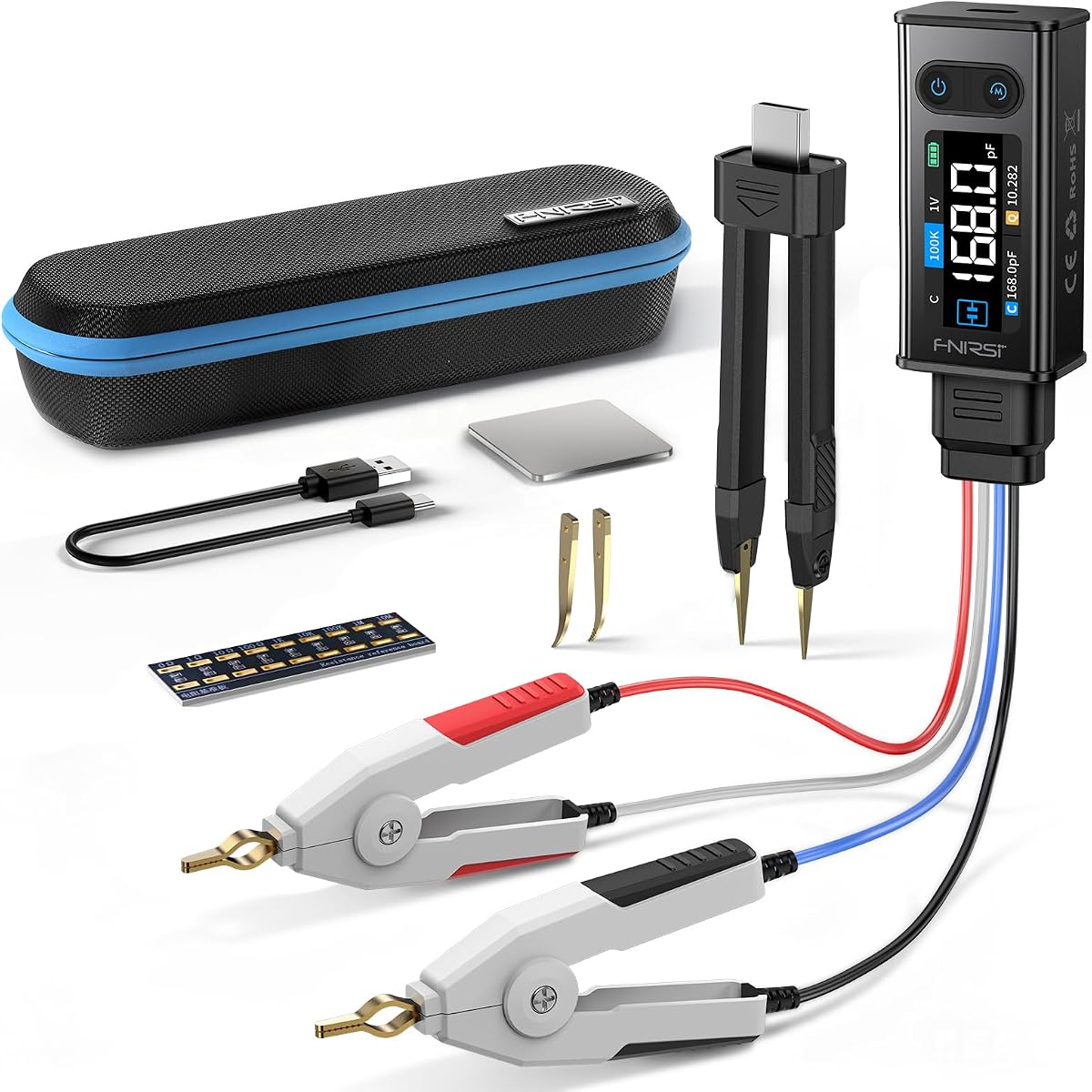


The FNIRSI LC1020E stands out as a top choice for hobbyists and technicians needing reliable component testing. It offers a stunning 2.8 inch color display that makes reading complex data easy even in low light conditions.
We may earn a commission when you buy through this link, at no additional cost to you.
Its dual parameter display allows you to see primary and secondary values like ESR or Q factor simultaneously. The sorting mode helps quickly identify defective parts by calculating relative errors against preset tolerances.
While the interface is powerful, it requires some time to learn all the features like adjustable test voltage and internal bias settings. The rechargeable battery is convenient but may need frequent charging during heavy use.
Anyone needing a balance of portability and professional features should consider this meter. It delivers exceptional value for its price point and handles most common repair and design tasks with ease.
Viewing two parameters at once saves time by eliminating the need to switch modes constantly during diagnostic sessions.
The built-in comparator alerts you via sound or LED when a component falls outside your specified tolerance range.
We may earn a commission when you buy through this link, at no additional cost to you.
This handheld unit is a classic choice for field work where durability and simplicity are paramount. Its 19999 count display provides enough resolution for most standard component verification tasks without being overly complex.
We may earn a commission when you buy through this link, at no additional cost to you.
Users appreciate the fully auto ranging operation which removes the guesswork from setting up measurements. You can measure components directly in smart mode without constantly selecting function keys for every test.
The weight is noticeable compared to newer compact models which might be tiring during extended sessions. Battery life is decent but frequent use may require carrying spares or external power sources.
Technicians working on-site will find this meter robust enough to handle daily wear and tear. It remains a trusted option for those who prioritize functionality over modern touchscreen interfaces.
Automatic range selection ensures you get the most accurate reading without manual configuration steps.
Quickly sort batches of components to identify those meeting your strict quality requirements.
We may earn a commission when you buy through this link, at no additional cost to you.
The MATRIX MCR5200 offers professional grade precision ideal for research and development environments. Its 0.1% basic accuracy ensures that even the smallest component variations are detected reliably.
We may earn a commission when you buy through this link, at no additional cost to you.
Connectivity is a major strength with USB and RS232C ports allowing you to save data to a computer or USB stick easily. The large display makes it easy to read values from across the lab bench.
While it is not designed for portability the tradeoff is a stable and consistent measurement platform. The higher price reflects the advanced features and build quality suited for critical testing applications.
Labs needing reliable data logging and high accuracy should invest in this benchtop unit. It provides the stability required for rigorous quality control and manufacturing support tasks.
Export measurement data directly to your PC for analysis and record keeping without manual entry.
Open and short circuit calibration minimize errors ensuring your readings remain trustworthy over time.
We may earn a commission when you buy through this link, at no additional cost to you.
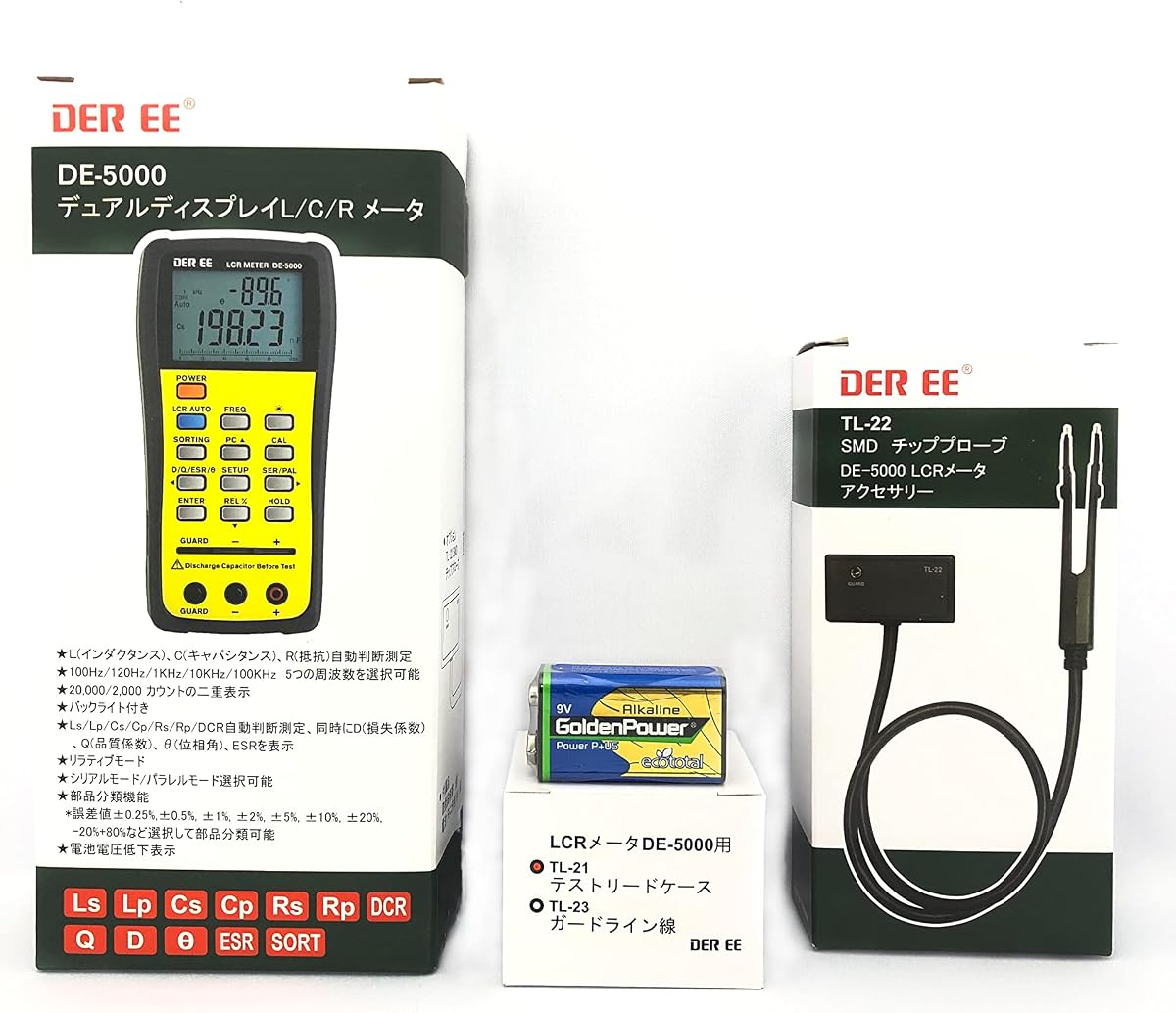
This version of the DE-5000 comes with essential accessories that save you from buying extra leads. The TL-21 and TL-22 sets cover most testing scenarios including surface mount components.
We may earn a commission when you buy through this link, at no additional cost to you.
The backlit screen ensures visibility in dim workshop environments where standard lighting might be insufficient. Users can select specific tolerance levels to verify if parts meet their required standards quickly.
The included carrying case protects the meter during travel though it adds to the overall bulk of the setup. Some find the test leads slightly stiff but they are durable enough for regular use.
If you want a ready-to-use solution straight out of the box this kit is an excellent choice. It provides everything needed to start testing components immediately without additional purchases.
Having the right leads and tweezers included saves time and money compared to buying them separately.
Adjustable tolerance settings allow precise checks against specific component specifications.
We may earn a commission when you buy through this link, at no additional cost to you.
For those starting out or needing a simple tester the Proster model offers great value. The rotatable LCD allows you to position the screen for comfortable reading from any angle.
We may earn a commission when you buy through this link, at no additional cost to you.
It includes a zero adjustment function for capacitance which helps eliminate stray lead errors common in less precise devices. The sampling rate is modest but sufficient for basic component checks.
The lack of advanced frequency selection limits use in high frequency applications but it works well for general repairs. It is a solid entry level device that introduces users to LCR measurement concepts.
Budget conscious hobbyists will appreciate its simplicity and low cost. It is an excellent tool for verifying parts without the complexity of more advanced meters.
Adjusting the screen angle reduces neck strain during long sessions of component testing.
Removing lead capacitance ensures you get true component values rather than offset readings.
We may earn a commission when you buy through this link, at no additional cost to you.
This unit excels at handling tiny surface mount components thanks to its integrated tweezer design. It simplifies testing for small resistors and capacitors that are difficult to hold with standard probes.
We may earn a commission when you buy through this link, at no additional cost to you.
The built-in magnet on the back keeps the device secure on metal workbenches freeing up your hands. Type-C charging is modern and convenient compared to older battery standards.
The display is small which can make reading complex values challenging in bright environments. It is less suited for large inductors compared to units with dedicated test sockets.
Electronics technicians working with modern PCBs will find this tool highly practical. Its portability and ease of use make it a great companion for intricate repair work.
Testing tiny components becomes effortless with built-in tweezers designed for precision.
The magnetic mount holds the meter steady on your bench while you work on a circuit.
We may earn a commission when you buy through this link, at no additional cost to you.
The Peak Atlas LCR45 is known for its consistent accuracy and straightforward operation. Its enhanced resolution allows you to see minute changes in components that other meters might miss.
We may earn a commission when you buy through this link, at no additional cost to you.
Users appreciate the simple menu system which makes navigation intuitive even for those less familiar with technical instruments. The hold function is useful for recording readings without freezing the device.
While it lacks some modern connectivity features its simplicity is often preferred for focused testing tasks. The one year warranty provides peace of mind for new buyers.
Those seeking a dependable tool without unnecessary complexity will value this meter. It remains a strong choice for precise measurements in dedicated test setups.
See tiny variations in your components with high precision measurement capabilities.
A one year warranty ensures you are covered against manufacturing defects or malfunctions.
We may earn a commission when you buy through this link, at no additional cost to you.
This model features a dual display system that presents primary and secondary parameters clearly. The backlit screen ensures readability in various lighting conditions which is vital for field work.
We may earn a commission when you buy through this link, at no additional cost to you.
It includes an AC adapter which is convenient for bench use without draining batteries quickly. The build quality is robust ensuring it can withstand regular use in professional environments.
The interface can feel complex to new users who prefer simpler controls. Weight might be a factor for those needing a lightweight handheld tool for travel.
Technicians needing a reliable dual view unit will find this model effective. It balances professional features with portability for most general testing needs.
View primary and secondary parameters side by side to save time during diagnostics.
The backlit screen ensures you can read values accurately even in dark workshop corners.
We may earn a commission when you buy through this link, at no additional cost to you.
Extech LCR200 comes with a built-in test fixture that simplifies testing for common components. This feature reduces the need for external clips and makes repetitive testing faster and more efficient.
We may earn a commission when you buy through this link, at no additional cost to you.
Limit settings allow you to define acceptable ranges for your parts providing immediate pass or fail feedback. The auto power off function helps preserve battery life when the unit is idle.
Some users find the fixture prone to wear over time which might affect contact quality. It lacks a sorting mode which limits its utility for batch component analysis.
Ideal for hobbyists and technicians who want a straightforward testing experience. It balances ease of use with reliable performance for standard passive component checks.
Test components without extra leads by using the integrated fixture on the device.
Set tolerance limits to instantly know if a component meets your quality standards.
We may earn a commission when you buy through this link, at no additional cost to you.
This model offers impressive accuracy and includes smart tweezers for precise component handling. The lifetime support policy is rare and adds significant value for professional users needing long-term assistance.
We may earn a commission when you buy through this link, at no additional cost to you.
It supports multiple test voltages which helps in measuring components under different stress conditions. The wide measurement range ensures versatility for various types of electronic parts.
Some users report limited online documentation compared to major brands which can be a hurdle. The price may vary but the features justify the investment for serious electronics work.
Professionals needing reliable support and precise measurements should consider this unit. It provides a robust tool for detailed analysis and complex repairs.
Get ongoing assistance from the manufacturer ensuring you are never left without help.
Test components under different voltage conditions for a comprehensive performance analysis.
We may earn a commission when you buy through this link, at no additional cost to you.
Selecting the right LCR meter involves understanding your specific testing needs and the environment where you will use the device.
Accuracy determines how close your measurement is to the true value of the component. High precision meters are essential for research and development where even minor deviations matter.
Look for models with at least 0.1% accuracy for professional work.
Different components behave differently at various frequencies so a wide range offers more versatility. Basic meters might only go up to 10kHz while advanced ones reach 200kHz.
Choose a meter that matches the frequency requirements of your typical projects.
A clear readable display is crucial for taking measurements efficiently. Backlit screens help in low light environments and color TFT displays make data easier to interpret.
Ensure the screen size allows for easy viewing without eye strain.
If you work in the field a compact handheld unit is necessary for convenience. Benchtop models offer more stability but are not suitable for travel or site visits.
Balance weight and size with your need for detailed features.
Battery life impacts how long you can work without interruption. Rechargeable batteries are convenient but may degrade over time while standard batteries are easy to replace.
Check if the unit has an AC adapter option for bench use.
Sorting modes and auto-ranging capabilities save time by automating common tasks. Connectivity like USB or RS232C allows for data logging which is vital for quality control.
Prioritize features that directly impact your workflow efficiency.
The right test leads and tweezers can make testing small components much easier. Some kits include carrying cases which protect the device during transport.
Verify what comes in the box before purchasing to avoid extra costs.
Reliable support ensures you can resolve issues quickly if the device malfunctions. Longer warranties indicate manufacturer confidence in the product quality.
Look for brands with a strong reputation for service.
Always perform open and short calibration before taking measurements to eliminate stray impedance errors. This ensures your readings reflect the actual component value rather than external factors.
Store the device in a dry and cool place to prevent damage to internal components. Regularly check test leads for wear and replace them if connections become loose or unstable.
Follow the manufacturer guidelines for battery replacement or charging to maintain optimal performance. Avoid exposing the meter to extreme temperatures or moisture which can affect accuracy.
A multimeter measures basic resistance and continuity but struggles with inductance and capacitance. An LCR meter is specialized for these components offering higher precision and additional parameters like ESR.
Calibration depends on usage frequency and environmental conditions. For general use calibrate monthly or whenever readings seem inconsistent. Professional labs may require weekly calibration for strict accuracy.
It is not recommended to measure components in-circuit as other parts can affect readings. Always power off the circuit and isolate the component for accurate measurements.
ESR stands for Equivalent Series Resistance which is crucial for understanding capacitor health. Low ESR indicates a healthy capacitor while high ESR often means it is failing.
Auto ranging simplifies the process by selecting the best scale automatically. Manual ranging offers more control for advanced users who need to force specific measurement scales.
Components like capacitors and inductors change behavior based on frequency. Different frequencies reveal different characteristics so choose the one that matches your application.
We have explored ten top models ranging from affordable handheld units to professional benchtop systems. Each offers distinct advantages depending on your specific needs and budget.
Prioritize accuracy and features that align with your typical projects whether for hobbyist repairs or industrial quality control. The right meter will streamline your workflow significantly.
Prices and availability can change frequently so verify the latest details before finalizing your purchase. Investing in a reliable tool ensures you have consistent performance for years to come.